Why Agencies Are Embracing No-Code Development

Why Agencies Are Embracing No-Code Development
The digital landscape is a constantly shifting terrain. Agencies, tasked with delivering innovative solutions for clients, face relentless pressure to accelerate project timelines, reduce costs, and adapt to emerging technologies. Traditional software development, with its reliance on extensive coding and specialized expertise, often proves to be a bottleneck. Enter no-code development – a rapidly gaining methodology empowering agencies to build applications, automate workflows, and deliver digital solutions with significantly less reliance on traditional coding skills. This article delves into the compelling reasons why agencies are enthusiastically embracing no-code, exploring the benefits, practical applications, associated challenges, and future trajectory of this transformative technology.
The Acceleration of Project Delivery: Speed to Market is Key
In today’s competitive market, speed is paramount. Clients demand rapid iteration and deployment of digital solutions. Traditional development cycles, often spanning months, can severely hamper business agility. No-code platforms dramatically shorten these timelines. Drag-and-drop interfaces, pre-built templates, and visual workflows allow agencies to rapidly prototype, build, and launch applications. Complex processes that once required weeks or months of coding can now be completed in days or even hours. This speed-to-market advantage translates directly into increased client satisfaction and a stronger competitive position.
The reduced development time doesn’t just benefit the client; it frees up valuable developer resources within the agency. Instead of dedicating significant effort to repetitive tasks, developers can focus on more complex, strategic projects requiring advanced coding skills. This reallocation of resources optimises agency capacity and allows for a more focused allocation of expertise.
Cost Reduction: Democratizing Development Expertise
The high cost of traditional software development has long been a barrier for many businesses, including agencies working on projects with budget constraints. No-code platforms offer a significantly more cost-effective alternative. By reducing the reliance on expensive developers and minimizing development time, agencies can substantially lower project costs.
No-code platforms often offer tiered pricing models, making them accessible to agencies of all sizes. The reduced need for specialized, highly-compensated developers allows agencies to handle a larger volume of projects with the same resource allocation. Further cost savings are realized through simplified maintenance and updates, as many no-code platforms handle these aspects automatically. This cost efficiency directly impacts agency profitability and allows them to offer more competitive pricing to clients.
Empowering Citizen Developers & Expanding Skillsets
One of the most significant advantages of no-code is its ability to empower “citizen developers” – individuals within an agency who aren’t professional coders but possess a keen understanding of business processes. No-code platforms provide an accessible interface that allows these individuals to directly contribute to solution development. This democratisation of development unlocks a wealth of untapped potential within the agency and fosters greater collaboration between business and technical teams.
Citizen developers can build internal tools, automate routine tasks, and even create simple applications to address specific business needs, reducing the reliance on overburdened IT departments. This empowers employees to take ownership of solutions tailored to their specific needs, leading to increased efficiency and innovation. Furthermore, working with no-code platforms allows existing staff to develop valuable digital skills, potentially leading to upskilling and career advancement opportunities.
Enhanced Agility and Adaptability: Responding to Market Changes

The digital world is characterized by constant change. Agencies need to be agile and adapt quickly to evolving client requirements and emerging market trends. Traditional development methodologies often struggle to keep pace. No-code platforms provide a level of flexibility and adaptability that traditional development simply can’t match.
Changes to requirements can be implemented quickly and easily through simple modifications to the no-code application. This allows agencies to respond rapidly to client feedback and adjust solutions in real-time. The ability to iterate quickly is a crucial differentiator in today’s fast-paced digital landscape, ensuring that agencies can deliver solutions that remain relevant and valuable over time. Rapid prototyping and iterative development cycles are inherent to no-code, facilitating continuous improvement and adaptation.
Practical Applications for Agencies: Across Diverse Sectors
The versatility of no-code makes it applicable to a wide range of services offered by agencies. Here are some specific examples:
- Internal Automation: Automating repetitive tasks like data entry, invoice processing, and report generation. This improves operational efficiency and frees up staff for higher-value work.
- Client Portals: Building custom client portals for project management, communication, and access to resources. Enhances client experience and strengthens relationships.
- CRM and Sales Automation: Creating tailored CRM systems and automating sales workflows. Improves lead management, sales efficiency, and revenue generation.
- Marketing & Campaign Management: Developing landing pages, marketing automation workflows, and interactive content without requiring coding expertise.
- Data Collection & Management: Building custom forms, surveys, and data dashboards to collect and analyze information. This enables agencies to provide data-driven insights to clients.
- Prototyping & MVP Development: Quickly creating Minimum Viable Products (MVPs) to validate ideas and gather user feedback before investing heavily in traditional development.
- Custom Integrations: Connecting existing systems and APIs through visual interfaces to create seamless workflows.
Addressing the Challenges: Limitations and Considerations
While no-code offers significant advantages, it’s not without its challenges. Agencies must be aware of these limitations and carefully consider whether no-code is the right solution for every project.
- Complexity & Scalability: No-code platforms are best suited for building relatively simple to moderately complex applications. Highly complex or demanding applications with intricate logic may require traditional coding. Scalability can also be a concern for some platforms, especially as the application grows and requires increased performance.
- Vendor Lock-in: Choosing a no-code platform can create vendor lock-in, making it difficult to migrate applications to other platforms in the future. This is a crucial consideration when selecting a platform and evaluating its long-term viability.
- Limited Customization: While no-code platforms offer a wide range of functionalities, they often lack the level of customization available with traditional coding. This may limit the ability to create truly unique or bespoke solutions.
- Security Considerations: Security is paramount. Agencies need to carefully assess the security features and compliance certifications of no-code platforms to ensure client data is protected.
- Platform Maturity: The no-code landscape is constantly evolving, and some platforms are still relatively young. Agencies should select mature platforms with proven track records and strong community support.
The Future of No-Code in Agency Work: A Growing Trend
The adoption of no-code development by agencies is poised for continued growth. As no-code platforms become more sophisticated, offering increased functionality, scalability, and customization options, they will become an even more valuable tool for agencies.
Key trends shaping the future of no-code include:
- AI-Powered Development: AI is increasingly being integrated into no-code platforms to automate tasks, suggest solutions, and enhance the development experience.
- Low-Code Integration: The blurring of lines between low-code and no-code will provide agencies with greater flexibility to choose the right level of development complexity for each project.
- Expanded Platform Capabilities: No-code platforms are continually expanding their functionalities, adding support for more complex integrations, data analysis, and AI/ML capabilities.
- Community Growth: The no-code community is growing rapidly, providing agencies with access to valuable resources, support, and best practices.
Agencies that embrace no-code will be well-positioned to deliver faster, more cost-effective, and more adaptable digital solutions, gaining a competitive edge in the evolving digital landscape. The technology is not intended to replace traditional development entirely but rather to augment existing capabilities, empowering agencies to deliver greater value to their clients and optimize their own operations. It represents a fundamental shift in how digital solutions are created and managed, forever changing the dynamics of the agency landscape.

Framer Tutorial: Build a Live Website in Just 1 Hour
Framer is a powerful no-code web design and development platform rapidly gaining popularity. It bridges the gap between design and code, allowing designers and developers to create interactive and dynamic websites without writing traditional HTML, CSS, or JavaScript. This detailed tutorial guides you through building a fully functional, live website in approximately one hour, demonstrating Framer’s capabilities and intuitive interface. We will cover the core functionalities, including prototyping, animations, responsive design, and connecting to a live domain.
1. Project Setup and Foundation (5 minutes)
First, create a Framer account if you haven’t already (www.framer.com). Once logged in, click “New Project” and choose a blank canvas or a pre-built template as your starting point. For this tutorial, let’s start with a blank canvas. Give your project a descriptive name (e.g., “OneHourWebsite”) and select a desired color scheme. Framer offers numerous pre-set color palettes and gradients, or you can define your own. A clean and consistent color scheme is crucial for a professional look.
Next, establish the basic layout. Framer uses a grid system for precise alignment. Go to the “Layout” panel (found on the left sidebar) and define your column structure. For a simple website, a three-column layout is common: a main content column, a sidebar, and perhaps a smaller column for navigation. Experiment with different column widths and spacing to create a balanced visual hierarchy. Think about the key elements you want to showcase and how they will be organized within the grid. Consider factors like readability and user flow.
2. Content Creation and Styling (15 minutes)
Now, start adding content! Framer provides building blocks like Text, Images, Buttons, and Shapes. Let’s add a header with a logo (an image), a navigation menu, and a hero section with a compelling headline and description.
- Logo and Navigation: Drag an “Image” component onto the header area. Upload your logo. Use the “Text” component to create navigation links (e.g., “Home,” “About,” “Services,” “Contact”). Position these links horizontally within the header. Utilize Framer’s auto-layout feature to easily arrange and space the logo and navigation elements. Auto-layout makes rearranging elements incredibly simple and responsive.
- Hero Section: Create a large “Text” component for the headline (e.g., “Your Business Name – Delivering Results”). Add a paragraph of descriptive text. Select an appropriate font (Framer offers a curated library of Google Fonts) and size. Consider using a bolder font for the headline to draw attention. For the background, use a solid color or an image to create visual interest. Experiment with different text alignments and spacing to create a visually appealing hero section.
- Adding More Content: Continue adding content sections to your website. Use “Text” components for paragraphs, lists, and call-to-actions. Use “Image” components for showcasing products or services. Use “Button” components for calls to action, such as “Learn More” or “Contact Us”. Framer’s intuitive interface allows you to easily add and arrange these components.
Style each element using the properties panel on the right. Control fonts, colors, sizes, spacing, borders, shadows, and other visual attributes. Use consistent styling throughout your website to create a cohesive brand identity. Consider creating reusable components (e.g., a standard button style) to ensure uniformity.
3. Animation and Interactions (20 minutes)
Framer excels in creating engaging interactions and animations. Let’s add some subtle animations to enhance the user experience.
- Hover Effects: Select a button component. Go to the “Animation” panel and choose an animation type like “Scale” or “Rotate” when the button is hovered over. Adjust the animation duration and easing to create a smooth and responsive effect.
- Scroll Animations: Select a section of your website (e.g., a section with a background image). In the “Animation” panel, enable “Scroll Trigger”. Choose the scroll trigger (e.g., “On Enter Screen”). Then, apply an animation to the section, such as a fade-in or slide-in effect. This creates a dynamic reveal as the user scrolls down the page. Experiment with different animation types and timings to achieve the desired effect.
- Page Transitions: Framer allows you to create smooth transitions between pages. Add multiple screens to your project (e.g., for “About,” “Services,” and “Contact”). In the “Project” panel, select “Transitions” and define how the pages will transition when navigated to. Choose from options like “Slide,” “Fade,” and “Push.” Adjust the transition duration and easing for a polished look.
- Interactive Elements: Framer offers powerful prototyping features that allows for the creation of complex interactive elements. For instance, you could create a carousel that slides through a series of images, or a modal window that appears on button click.
4. Responsive Design (15 minutes)
Ensuring your website looks good on all devices is crucial in today’s mobile-first world. Framer makes responsive design straightforward.
- Device Preview: Use Framer’s built-in device preview to see how your website will render on different screen sizes (desktop, tablet, mobile).
- Auto-Layout and Constraints: Utilize Auto-Layout to create flexible layouts that adapt to different screen sizes. Use constraints to define how elements should behave when the screen size changes. For example, you might want a sidebar to collapse into a hamburger menu on mobile devices.
- Breakpoints: Define breakpoints in the “Layout” panel to specify different column layouts for different screen sizes. This allows you to customize the layout for desktop, tablet, and mobile. Experiment with different column configurations and element sizes to optimize the user experience on each device. Ensure that text is readable, buttons are easily tappable, and images are appropriately scaled.
- Responsive Images: Use the “Image” component’s settings to specify different image sizes for different screen sizes. This will improve page load speed on mobile devices by serving smaller image files.
5. Connecting to a Live Domain (15 minutes)
Finally, publish your website to a live domain. Framer offers a streamlined publishing process.
- Publish Settings: In the “Project” panel, click “Publish”. You’ll be prompted to choose a domain. You can use a custom domain (requires a paid Framer plan) or use a subdomain provided by Framer.
- Domain Configuration: If you’re using a custom domain, follow the instructions to update your DNS records to point to Framer.
- Live URL: Once your website is published, Framer provides a live URL. Test your website thoroughly on different devices and browsers to ensure that everything is working as expected.
- Framer Hosting: Framer handles all the hosting and infrastructure needed to make your website live. You don’t need to worry about servers, databases, or other technical details.
This hour-long tutorial provides a solid foundation for building websites with Framer. The platform’s intuitive interface and powerful features allow you to create stunning, interactive websites quickly and easily. Further exploration of Framer’s advanced features, such as custom code injection and API integrations, will enable you to build even more complex and sophisticated web applications. The possibilities with Framer are truly limitless, offering a powerful tool for designers and developers alike.

Top 5 No-Code Tools for Mobile-Friendly Website Creation
The digital landscape is dominated by mobile devices. A responsive and user-friendly website is no longer optional; it’s a necessity for businesses of all sizes. Traditional website development often requires coding knowledge and can be time-consuming and expensive. However, the rise of no-code platforms is democratizing web creation, empowering individuals and businesses to build professional-looking, mobile-optimized websites without writing a single line of code. This article explores five of the leading no-code tools, detailing their features, strengths, weaknesses, pricing, and ideal use cases to help you choose the best fit for your needs.
1. Bubble: The Powerhouse for Complex Applications
Bubble is a powerful visual programming platform ideal for building sophisticated web applications, including highly interactive websites. Its drag-and-drop interface allows users to design the front-end while defining the back-end logic through a visual workflow editor. Bubble shines when creating applications that require user authentication, databases, and dynamic data management.
Key Features:
- Visual Programming: A comprehensive visual editor for defining data structures, workflows, and user interfaces.
- Database Management: Built-in database functionality allows storing and managing structured data with ease. Supports relational databases and custom data types.
- User Authentication: Handles user registration, login, and permissions effectively. Supports social login options.
- API Integrations: Seamlessly integrates with third-party APIs, expanding functionality and connecting to external services (e.g., payment gateways, email marketing platforms).
- Responsive Design: Automatically generates responsive layouts that adapt to different screen sizes.
- Custom CSS & JavaScript (Advanced): Offers the option to inject custom code for advanced customization.
- Built-in Hosting: Provides reliable and scalable hosting infrastructure.
- Plugins & Templates: A growing library of plugins and pre-built templates accelerates development.
Strengths:
- Flexibility: Offers unparalleled flexibility for building complex applications with custom logic.
- Scalability: Can handle high traffic and demanding workloads.
- Data-Driven: Strong capabilities for data management and analysis.
- Community Support: A vibrant community forum offers extensive documentation, tutorials, and support.
Weaknesses:
- Learning Curve: More complex than other no-code tools, with a steeper learning curve for beginners.
- Performance: Can experience performance issues with overly complex workflows or large datasets if not optimized.
- Pricing: Can become expensive for high-traffic applications.
Pricing:
Bubble offers both a free plan (with limited features and Bubble branding) and paid plans starting at $29/month (billed annually) for more advanced features and removing branding. Higher-tier plans offer increased resources and support.
Ideal Use Cases:
- SaaS applications
- Internal tools
- Marketplaces
- Social networks
- Customer relationship management (CRM) systems
- Complex directories
2. Webflow: Design-Focused Website Builder
Webflow is a powerful website builder designed for designers. It offers a visual interface for creating pixel-perfect websites without coding. It excels in providing design freedom and control over every aspect of the website’s appearance. Unlike many other no-code tools, Webflow generates clean, semantic HTML, CSS, and JavaScript code, which is beneficial for SEO and future customization.
Key Features:
- Visual Design Editor: A powerful visual editor for building customized layouts, animations, and interactions.
- CMS (Content Management System): Integrated CMS for managing dynamic content without code.
- Responsive Design: Fully responsive design with granular control over responsiveness at different breakpoints.
- Animations & Interactions: Offers a wide range of animation and interaction effects to enhance user engagement.
- SEO Optimization: Built-in SEO tools and features to improve search engine rankings.
- eCommerce Functionality: Supports building online stores with product catalogs, shopping carts, and payment gateways.
- Custom Code Injection: Allows injecting custom HTML, CSS, and JavaScript for advanced customization.
- Hosting Included: Provides reliable and scalable hosting.
Strengths:
- Design Freedom: Provides exceptional design flexibility and control.
- SEO-Friendly: Generates clean code that is easily crawlable by search engines.
- Professional Aesthetics: Produces polished, professional-looking websites.
- Excellent CMS: Powerful and intuitive content management system.
Weaknesses:
- Learning Curve: Requires understanding of web design principles and concepts.
- Pricing: Can be relatively expensive, especially for websites with high traffic or requiring advanced features.
- Limited Application Building: Not ideal for building complex applications with extensive back-end logic.
Pricing:
Webflow offers various plans, starting with a free plan for prototyping and then ranging from $14/month (billed annually) for basic websites to $399/month for enterprise-level sites. Pricing is based on the number of projects and features required.
Ideal Use Cases:
- Portfolio websites
- Landing pages
- Business websites
- E-commerce stores
- Marketing websites
- Blogs
3. Dorik: Specifically for Online Magazines & Blogs
Dorik is a no-code platform laser-focused on creating high-quality online magazines, blogs, and content-driven websites. It emphasizes fast loading speeds and a visually appealing reading experience, making it a popular choice for publishers and content creators.
Key Features:
- Optimized for Speed: Built with performance in mind, automatically optimizing images and code for faster loading times.
- Beautiful Templates: A library of professionally designed templates specifically for online publications.
- Content Management: Intuitive content management system for organizing and publishing articles, images, and videos.
- SEO Optimization: Built-in SEO tools and features for improving search engine rankings.
- Responsive Design: Fully responsive design that adapts to different screen sizes.
- Blog-Specific Features: Features like categories, tags, author profiles, and social sharing integration.
- Email Marketing Integration: Integrations with popular email marketing platforms.
- Custom Domain Support: Allows using a custom domain name for branding.
Strengths:

- Speed & Performance: Exceptional loading speeds thanks to optimized code and infrastructure.
- Content Focus: Perfect for creating content-rich websites.
- Ease of Use: Intuitive interface for managing content and designing layouts.
- Dedicated Support: Known for excellent customer support.
Weaknesses:
- Limited Customization (Compared to Webflow/Bubble): Offers less flexibility for highly customized designs.
- Focus on Publishing: Not well-suited for building complex applications.
- Template Dependence: Requires adapting to the available templates, which may limit creative freedom.
Pricing:
Dorik offers several plans, starting from $29/month (billed annually) for basic publishing features, and scaling up to $99/month for advanced content management and customization options.
Ideal Use Cases:
- Online magazines
- Blogs
- News websites
- Content marketing websites
- Educational platforms
4. Softr: Building Apps & Websites from Airtable
Softr is a versatile no-code platform that enables you to build websites and internal tools directly from Airtable databases. Leveraging the power of Airtable’s relational database capabilities, Softr allows you to create dynamic, data-driven applications and websites with minimal coding.
Key Features:
- Airtable Integration: Seamlessly integrates with Airtable, allowing you to use existing Airtable databases as the foundation for your website or application.
- Drag-and-Drop Interface: User-friendly drag-and-drop editor for designing your user interface.
- Pre-built Components: A library of pre-built components such as calendars, galleries, forms, and tables.
- Authentication: Handles user authentication with options for email login, social login, and custom authentication.
- Customization: Offers options for customizing the appearance and functionality of your website.
- Embeddable Websites: Easily embed your Softr-built website on an existing domain.
- Responsive Design: Automatically generates responsive layouts that adapt to different screen sizes.
Strengths:
- Ease of Use: Very easy to get started, especially if you’re familiar with Airtable.
- Data-Driven: Perfect for building websites and applications that rely on data.
- Fast Development: Quickly builds functional websites and applications using pre-built components.
- Affordable: Offers competitive pricing plans.
Weaknesses:
- Dependence on Airtable: Requires using Airtable as the back-end.
- Limited Customization: Offers less granular control over design compared to Webflow or Bubble.
- Scalability Limits: May face scalability challenges for very large datasets or high traffic.
Pricing:
Softr offers various plans, starting from $29/month (billed annually) for individual projects, and scaling up to $149/month for larger teams and more features. Pricing is based on the number of projects and features required.
Ideal Use Cases:
- Internal dashboards
- Client portals
- Directory websites
- Event websites
- Simple e-commerce stores
- Data-driven landing pages
5. Carrd: One-Page Websites and Landing Pages
Carrd is a ridiculously simple and affordable platform primarily designed for creating beautiful, single-page websites and landing pages. It’s perfect for quickly launching a minimal online presence or a highly focused marketing campaign. While limited in scope, Carrd excels at delivering clean, distraction-free experiences.
Key Features:
- Simple Interface: Extremely user-friendly interface, making it easy to create websites with minimal effort.
- Templates: A library of stunning pre-designed templates to get you started quickly.
- Responsive Design: Automatically generates responsive layouts that adapt to different screen sizes.
- Integrations: Integrates with various services like Google Sheets, Typeform, and Mailchimp.
- Custom Domains: Allows connecting a custom domain name.
- Analytics: Provides basic analytics to track website traffic.
Strengths:
- Ease of Use: The easiest no-code website builder to learn and use.
- Affordability: One of the most affordable website builders available.
- Speed: Loads incredibly fast.
- Perfect for Single-Page Sites: Ideal for landing pages, portfolios, and simple online presences.
Weaknesses:
- Limited Functionality: Not suitable for complex websites or applications.
- Single-Page Focus: Restricted to single-page websites.
- Limited Customization: Offers less customization than other platforms.
Pricing:
Carrd offers a generous free plan (with limited features) and paid plans starting at $9/year, offering more features and the ability to connect custom domains.
Ideal Use Cases:
- Landing pages
- Personal portfolios
- Simple online presence
- Event pages
- Link-in-bio pages
Choosing the right no-code tool depends on your specific project requirements, technical skills, and budget. Bubble offers unmatched flexibility for complex applications, Webflow excels in design and SEO, Dorik is perfect for content-focused websites, Softr empowers data-driven applications, and Carrd delivers simplicity and affordability for single-page sites. Carefully evaluate each platform’s features and pricing to select the best fit for your needs.


How to Integrate APIs with No-Code Platforms: A Complete Guide
No-code platforms have revolutionized software development, empowering individuals and businesses to build applications without extensive coding knowledge. However, even these powerful platforms often require connecting to external data sources and services, which is where APIs (Application Programming Interfaces) come into play. Integrating APIs with no-code platforms unlocks a wealth of functionality, allowing you to seamlessly incorporate features like payment processing, social media integration, mapping, and much more. This comprehensive guide details the process, exploring different approaches, best practices, potential challenges, and popular platforms that facilitate API integration.
Understanding APIs and No-Code Platforms
Before diving into the integration process, understanding the core concepts is crucial. An API acts as a messenger, enabling different software applications to communicate and exchange data. It defines the rules and formats for requests and responses, allowing applications to interact without needing to understand the underlying implementation details of each other. APIs expose specific functionalities of a service (e.g., retrieving user data, processing payments) through standardized endpoints.
No-code platforms, such as Bubble, Adalo, AppGyver, and Glide, provide visual development environments where users can build applications using drag-and-drop interfaces, pre-built components, and workflows. These platforms abstract away the complexities of traditional coding, making application development accessible to a wider audience. While no-code simplifies the development process, it often necessitates API integration to access external data and services that are not readily available within the platform’s built-in functionalities.
Why Integrate APIs with No-Code Platforms?
The benefits of API integration with no-code platforms are substantial:
- Enhanced Functionality: APIs extend the capabilities of no-code applications, enabling features that would otherwise be impossible to build.
- Data Enrichment: Integrate with databases, CRM systems, marketing automation tools, and other data sources to populate applications with relevant information.
- Automation: Automate tasks by connecting applications to services like Zapier or IFTTT, triggered by specific events.
- Scalability: Leverage the scalability of external APIs to handle increased traffic and data volumes.
- Cost-Effectiveness: Utilizing existing APIs can be more cost-effective than building functionalities from scratch.
- Improved User Experience: Integrate with mapping services, payment gateways, and other APIs to deliver a richer and more engaging user experience.
Approaches to API Integration with No-Code Platforms
Several approaches exist for integrating APIs with no-code platforms, each with its own advantages and limitations:
- Native API Connectors: Many no-code platforms offer built-in API connectors specifically designed for popular services. Bubble, for example, provides a robust API Connector that allows you to define API calls, manage authentication, and transform data. Adalo also has built-in API integration capabilities. This is often the easiest and most straightforward method, especially for commonly used APIs.
- Zapier & Integromat (Make): These are popular no-code automation platforms that act as intermediaries between applications and APIs. They offer a visual interface for creating “zaps” (Zapier) or “scenarios” (Integromat) that connect different services. Zapier and Integromat handle authentication, data transformation, and routing requests to the appropriate APIs. This approach is ideal for connecting to APIs that don’t have specific connectors within the no-code platform. However, using these services can incur extra costs based on the number of tasks performed.
- Custom Code Snippets (JavaScript/Code Blocks): Some no-code platforms allow you to embed custom JavaScript code snippets to interact directly with APIs. This approach provides maximum flexibility but requires some coding knowledge. You can use JavaScript to make HTTP requests to the API endpoints, parse the responses, and manipulate the data within the no-code platform’s workflow. This option is suitable for complex integrations or when advanced data transformation is required.
- Third-party API Integration Tools: Several specialized tools are designed to simplify API integration for no-code platforms. These tools often offer pre-built connectors, data mapping features, and monitoring capabilities. Examples include Parseur, which focuses on data transformation and cleaning from APIs.
The API Integration Process: A Step-by-Step Guide
Regardless of the chosen approach, the API integration process generally involves these steps:
- API Key Acquisition: Most APIs require an API key for authentication. This key identifies your application and grants it access to the API’s functionalities. You’ll typically need to sign up for an API account with the service provider to obtain an API key. Store your API keys securely, preferably using environment variables or secret management systems.

- API Documentation Review: Carefully review the API documentation to understand the available endpoints, request parameters, response formats, and authentication methods. The documentation is your primary guide to using the API successfully. Familiarize yourself with the API’s structure, data types, and any rate limits.
- Endpoint Identification: Identify the specific API endpoint required for the desired functionality. For example, if you want to retrieve user data, you’ll need to find the endpoint that accepts user identifiers.
- Request Construction: Construct the API request according to the API documentation. This typically involves specifying the HTTP method (GET, POST, PUT, DELETE), the endpoint URL, request headers (including the API key), and request body (if required).
- Data Transformation (if necessary): The API’s response may not be in the format required by your no-code application. You may need to transform the data using JSON parsing, data mapping, or other techniques. This often involves using functions or built-in utilities within the no-code platform.
- Workflow Implementation: Create a workflow within the no-code platform to trigger the API call, process the response, and store or display the data. Utilize the platform’s visual interface to connect the different steps of the workflow.
- Error Handling: Implement error handling to gracefully manage potential issues like API connection errors, invalid API keys, or incorrect request parameters. Use conditional logic and error handling keywords within the workflow to handle API errors.
Popular APIs and Their No-Code Integration
Here are some examples of popular APIs and how they can be integrated into no-code applications:
- Google Maps API: Integrate maps into your application for location-based services, address lookup, and route planning.
- Stripe API: Enable payment processing by integrating with Stripe’s payment gateway.
- Facebook Graph API: Integrate social media features such as user authentication, posting updates, and accessing user data.
- SendGrid API: Implement email sending functionality for transactional emails, marketing campaigns, and notifications.
- Twilio API: Add SMS and voice communication capabilities to your application.
- Mailchimp API: Integrate marketing automation features, such as email list management and campaign creation.
- Weather APIs (OpenWeatherMap, AccuWeather): Display current weather conditions and forecasts.
Best Practices for API Integration
Adhering to best practices ensures a smoother and more reliable integration process:
- Security: Securely store API keys and protect them from unauthorized access.
- Rate Limiting: Be mindful of API rate limits to avoid being throttled or blocked. Implement caching mechanisms to reduce API calls.
- Data Validation: Validate data received from the API to ensure data integrity.
- Error Handling: Implement robust error handling to gracefully manage API failures.
- Documentation: Maintain clear and concise documentation of your API integrations.
- Monitoring: Monitor API usage and performance to identify potential issues.
- Testing: Thoroughly test API integrations to ensure they function correctly.
- Version Control: Use version control (like Git) to track changes to your API integration code.
- Data Transformation Optimization: Optimize data transformation logic to minimize processing time.
Challenges of API Integration
Despite the ease offered by no-code platforms, API integration can present some challenges:
- API Complexity: Some APIs have complex authentication mechanisms or require significant data transformations.
- Rate Limiting: APIs often impose rate limits, which can restrict the frequency of API calls.
- Data Format Incompatibilities: Data formats between APIs and no-code platforms may be incompatible, requiring custom data transformations.
- API Changes: API providers may change their APIs, requiring updates to your no-code application.
- Cost Management: Using third-party automation tools and APIs can incur additional costs, especially with high usage volumes.
Integrating APIs with no-code platforms is a powerful way to extend the capabilities of your applications. By understanding the different approaches, following best practices, and proactively addressing potential challenges, you can unlock a world of possibilities and build sophisticated applications without writing code.
The Limits of No-Code: When Code is Essential
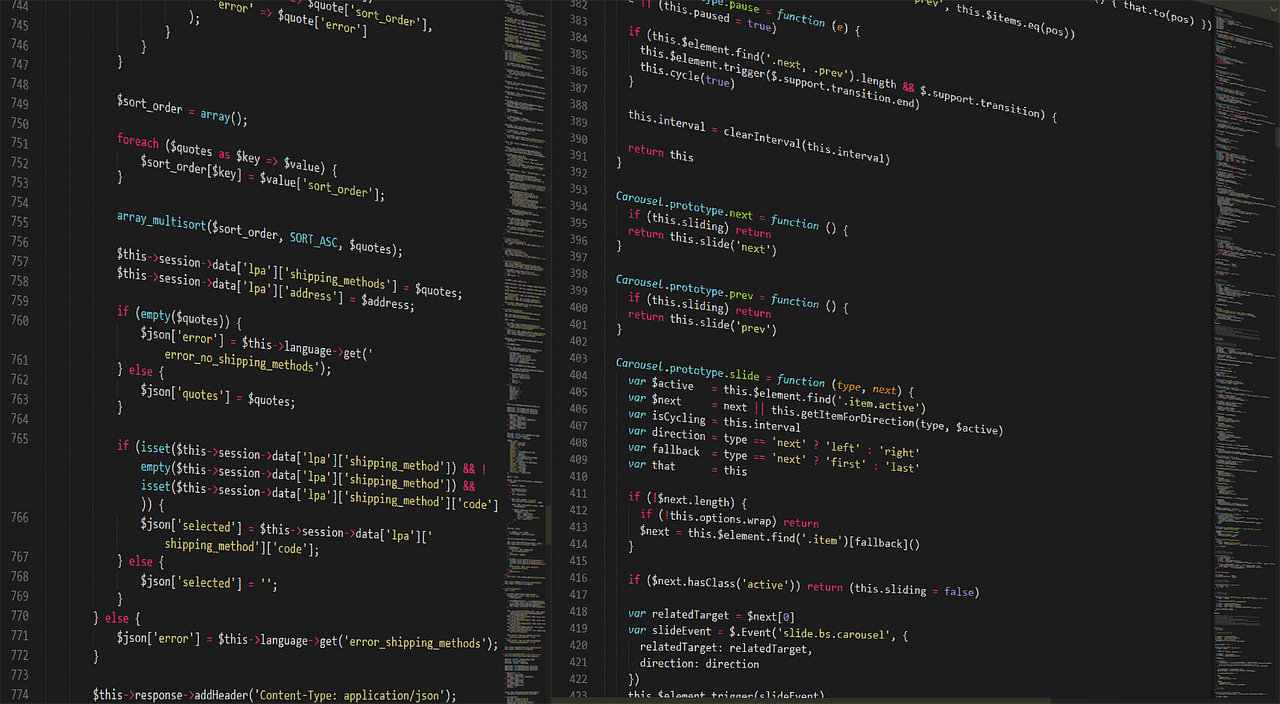
No-code development platforms have exploded in popularity, democratizing software creation and empowering citizen developers. These visual development environments allow users to build applications with minimal or no traditional coding, offering unprecedented speed and accessibility. While no-code is undeniably valuable, it’s not a panacea. There are significant limitations where traditional coding remains the more effective and appropriate solution. This article delves into those limitations, exploring the scenarios where code is essential, the specific challenges no-code platforms face, and the future of a balanced approach to software development.
Understanding the No-Code Landscape
No-code platforms like Bubble, Webflow, Airtable, Zapier, and Glide have revolutionized application development. They offer drag-and-drop interfaces, pre-built components, and visually intuitive workflows. These platforms significantly reduce development time and cost, particularly for building simple to moderately complex applications. Common use cases for no-code include:
- Internal Tools: Building dashboards, admin panels, and custom data entry forms.
- Prototypes & MVPs: Rapidly creating and testing application concepts.
- Simple Web Applications: Constructing basic e-commerce sites, landing pages, and directories.
- Automations: Connecting various apps and services through integrations and workflows (e.g., automating marketing tasks, sales processes).
- Mobile Applications (Limited): Building basic mobile apps for simple data display and interaction.
However, the perceived ease of no-code can mask underlying complexities and limitations. Businesses relying solely on no-code for all their software needs risk hitting a wall when faced with increasingly sophisticated requirements.
Core Limitations of No-Code Platforms
Several limitations define the boundaries of no-code capabilities:
1. Scalability Challenges: No-code platforms often struggle to handle large volumes of data and complex transactions. Performance can degrade significantly as applications scale, leading to slow response times and potential application crashes. This is due to the inherent limitations in the underlying infrastructure and the tightly coupled nature of the visual development environment. Techniques like database optimization are often restricted or impossible to implement.
2. Customization Constraints: While no-code platforms offer visual customization, achieving truly unique and tailored functionality can be difficult. The platforms operate within predefined frameworks and components, which restrict developers from implementing highly specialized or unconventional logic. Complex UI/UX customizations often require workarounds or custom integrations, impacting maintainability and increasing development time.
3. Complex Logic & Algorithms: No-code environments are not well-suited for complex calculations, advanced algorithms, and intricate data manipulations. While some platforms provide formula builders, they lack the flexibility and power of programming languages like Python or JavaScript, making it impractical to implement sophisticated analytical models or machine learning algorithms directly within the no-code environment.
4. API Integrations & Data Handling: Integration with third-party APIs, while generally supported, can become cumbersome and limited in scope. Complex API authentication schemes, data transformation needs, and handling rate limits often require extensive workarounds, often involving custom code snippets or middleware. Furthermore, managing large datasets and complex data pipelines can be challenging within the no-code ecosystem.
5. Security Concerns: While platforms invest in security, reliance on a third-party platform creates vulnerabilities. Limited control over the underlying infrastructure and security protocols can expose applications to risks. Auditing and penetration testing are often restricted, making it harder to identify and address potential security flaws. Data residency and compliance requirements can also be challenging to manage depending on the platform.
6. Debugging & Troubleshooting: Debugging no-code applications can be significantly more difficult than debugging code. The visual nature of development obscures the underlying code, making it harder to pinpoint the root cause of errors. Limited access to logs and debugging tools can increase troubleshooting time.
7. Lack of Control & Ownership: Developers are beholden to the platform vendor’s roadmap and pricing policies. Features can be discontinued or altered without advance notice, potentially impacting existing applications. Significant vendor lock-in can make it difficult to migrate applications to other platforms or maintain them independently.
8. Version Control & Collaboration: While many platforms offer collaboration features, version control is often less sophisticated than with traditional code repositories like Git. Managing code changes, resolving conflicts and tracking the history of application development can be challenging, especially in large and complex projects.
Scenarios Where Code Remains Essential
The following scenarios highlight situations where traditional coding is the preferred – or even necessary – choice:
1. High-Performance Applications: Applications requiring extreme speed, low latency, and high throughput – such as trading platforms, real-time data processing systems, and high-volume gaming applications – are generally beyond the capabilities of no-code platforms. These applications demand optimized code and direct access to hardware resources.
2. Complex Data Processing & Analytics: Applications involving intricate data transformations, advanced statistical analysis, machine learning modeling, or real-time data streaming invariably require custom code. No-code platforms lack the necessary flexibility and computational power to handle these tasks effectively.
3. Custom Integrations with Legacy Systems: Integrating with older, proprietary systems that lack readily available APIs or require complex data mapping often necessitate custom code. No-code integrations can be limited by the platform’s existing connectors and lack the flexibility to handle bespoke integration requirements.
4. Security-Critical Applications: Applications handling sensitive data (e.g., financial transactions, healthcare records) often require fine-grained security controls and custom encryption algorithms. No-code platforms might not provide the necessary level of security customization and control, making traditional coding a safer bet.
5. Highly Customized UI/UX: Applications demanding a unique and highly polished user experience that deviates significantly from the platform’s pre-built components often necessitate custom front-end development. Achieving complex animations, custom widgets, or highly interactive elements can be difficult or impossible within a no-code environment.
6. Complex Business Logic & Workflow: Applications with intricate business rules, multi-step workflows, or sophisticated decision-making processes often require custom code to implement the desired logic effectively. No-code platforms can struggle with managing complex conditional logic and data dependencies.
7. Embedded Systems & IoT: Applications requiring direct interaction with hardware, custom device drivers, or real-time control of embedded systems are inherently outside the scope of no-code platforms.
The Hybrid Approach: Best of Both Worlds
The most effective strategy is often a hybrid approach: leveraging no-code for rapid prototyping, building simple internal tools, and automating routine tasks, while reserving traditional coding for applications demanding scalability, complex logic, security, and customization.
This hybrid model involves:
- No-Code for Front-End & Workflow: Utilizing no-code tools for visual development of the user interface and automating workflows.
- Code for Back-End Logic & Data Processing: Employing programming languages (Python, Node.js, etc.) to handle complex data processing, custom algorithms, and API integrations.
- API Connections: Connecting the no-code front-end to code-based back-end services via APIs.
- Microservices Architecture: Decomposing applications into smaller, independently deployable services, allowing for targeted code updates and easier scalability.
The Future of No-Code and Code
No-code and low-code platforms are constantly evolving, with features like custom code components and improved API integration capabilities blurring the lines between no-code and traditional development. However, fundamental limitations will remain.
The future is likely to see:
- Increased Developer Empowerment: No-code/low-code tools will empower citizen developers to build increasingly sophisticated applications, reducing the strain on professional developers.
- Specialized No-Code Platforms: The emergence of specialized no-code platforms tailored to specific industries and use cases (e.g., healthcare, finance) will address some of the current limitations.
- Robust API Ecosystems: Platforms will provide richer and more flexible API integrations, simplifying the connection between no-code and code-based systems.
- Improved Scalability & Performance: Platforms will continuously improve their underlying infrastructure to handle larger datasets and more complex transactions.
Ultimately, the key to success lies in understanding the strengths and weaknesses of both no-code and traditional coding, and choosing the right tool for the job. Rather than viewing them as competing technologies, businesses should embrace a hybrid approach that leverages the best of both worlds to achieve their software development goals efficiently and effectively.

Building a Membership Site with Webflow & Memberstack: A Step-by-Step Guide
Keywords: Webflow membership site, Memberstack, membership platform, Webflow tutorials, online course platform, digital products, subscription site, Webflow Memberstack integration, website design, online business, digital marketing.
1. Planning Your Membership Site
Before diving into the technical aspects, solid planning is crucial for a successful membership site. Define your niche, target audience, and the value proposition you’ll offer. Consider these questions:
- What is your niche?: (e.g., photography, coding, personal finance, health & wellness). A focused niche attracts a more engaged audience.
- Who is your ideal member?: Create a detailed member persona including demographics, interests, pain points, and goals. This guides content creation and marketing efforts.
- What will you offer?: Outline the membership tiers, content types (e.g., video tutorials, downloadable resources, live workshops, community forum), and exclusive benefits. Examples include premium articles, early access, personalized coaching, and discounts.
- What will be your pricing strategy?: Research competitor pricing and consider value-based pricing. Common tier structures include Basic, Standard, and Premium.
- What are your monetization goals?: Determine how membership subscriptions will contribute to your overall business revenue.
2. Setting Up Your Webflow Project
Webflow is a powerful no-code platform that offers excellent design flexibility for membership sites.
- Create a Webflow Account: Sign up for a Webflow account at https://webflow.com/.
- Start a New Project: Select a blank project or choose a relevant template (though a blank canvas provides more customization).
- Define Your Site Structure: Plan your site’s navigation. Essential pages include:
- Homepage: The entry point, highlighting value proposition and call to action.
- Membership Page: Details membership tiers, pricing, and benefits.
- Login/Dashboard: Secure access for members.
- Content Pages: Individual pages for lectures, articles, downloads, etc.
- About Page: Build trust and credibility by sharing your story.
- Contact Page: Allow members to reach out.
- Design Your Website: Leverage Webflow’s visual editor to create a visually appealing and user-friendly design. Pay attention to:
- Branding: Use consistent colors, fonts, and imagery.
- User Experience (UX): Ensure intuitive navigation and a seamless user flow.
- Responsiveness: Optimize your site for all devices (desktop, tablet, mobile).
- Call to Actions (CTAs): Prominently display CTAs like “Join Now” and “Sign Up.” Webflow’s CMS allows you to easily manage these CTAs.
3. Configuring Webflow CMS for Membership Content
Webflow’s CMS (Content Management System) is the backbone of your membership content structure.
- Create Collections: Define collections for different content types:
- Memberships: Details about each membership tier (name, price, benefits, description).
- Content: For individual lessons, articles, videos, podcasts, etc. Important fields include title, description, content body (using Webflow’s rich text editor), and associated membership tier.
- Users: (Optional) Store user profile information. Webflow’s built-in user management system can handle this or you can leverage third-party integrations like Memberstack.
- Define Fields: Add relevant fields to each collection to capture specific information. Examples:
- Memberships: Price, Duration, Access Level.
- Content: Publish Date, Author, Categories, Tags.
- Relationship Fields: Establish relationships between collections. For example, link content items to the membership tier they belong to. This is vital for Memberstack’s functionality.
- Content Organization: Utilize Webflow’s hierarchical organization to create a logical structure for content access.
4. Integrating Memberstack
Memberstack is a powerful platform specifically designed for creating membership sites on Webflow. It simplifies subscription management, access control, and user authentication.

- Create a Memberstack Account: Sign up for a Memberstack account at https://memberstack.com/. They offer various pricing plans based on your needs.
- Connect Webflow & Memberstack: Follow Memberstack’s instructions to connect your Webflow project. This typically involves adding a Memberstack JavaScript snippet to your Webflow site. You can do this by going to Site Settings -> Custom Code -> Header/Footer.
- Configure Memberstack Settings: Customize Memberstack settings to match your membership plan structure. This involves:
- Setting up Membership Plans: Create membership tiers in Memberstack corresponding to your Webflow CMS “Memberships” collection.
- Defining Access Rules: Specify which content is accessible to each membership tier. This will leverage the relationship fields you created in Webflow’s CMS. For example, “Members with ‘Premium’ access can view all content.”
- Setting up Payment Gateways: Integrate with payment gateways like Stripe or PayPal to process subscriptions. Memberstack offers pre-built integrations for both.
- Customizing Emails: Configure automated emails for signup confirmation, password resets, and other membership-related events.
5. Content Population and Access Control
Now that you have your CMS and Memberstack set up, populate your site with content and define access rules.
- Populate Webflow CMS: Add content to your Webflow CMS collections. Create lectures, articles, and other resources. Be sure to associate each content item with the correct membership tier using the relationship fields.
- Test Access Restrictions: Thoroughly test access restrictions. Log in as different membership levels and verify that members only have access to the content they are entitled to.
- Content Visibility Settings: Within Webflow CMS, configure the visibility settings for individual content items. You can control whether content is visible to all logged-in users, only members of a specific tier, or only logged-in members.
- Dynamic Content Display: Use Webflow’s dynamic content features to display membership status information to users. You can show a “Member since…” date, a member level badge, or a list of exclusive content available to them.
6. Customizing the User Experience
Enhance the user experience to create a smooth and enjoyable membership journey.
- Member Dashboard: Design a dedicated member dashboard where users can access their content, manage their subscriptions, and update their profiles. Memberstack provides a user-friendly dashboard, but you can also customize it further with Webflow’s design capabilities.
- Community Features: Incorporate community features like a forum, discussion board, or social feed to foster engagement among members. Consider integrating third-party community platforms.
- Gamification: Implement gamification elements like badges, points, and leaderboards to motivate members and encourage participation.
- Personalization: Personalize the membership experience based on user preferences and behavior. This can include recommending relevant content or offering customized learning paths.
7. Marketing and Promotion
Building a great membership site is only half the battle. You need to market it effectively.
- Landing Page Optimization: Create a compelling landing page that clearly communicates the value of your membership.
- Email Marketing: Build an email list and use email marketing to nurture leads and promote your membership site.
- Social Media Marketing: Share valuable content and engage with your target audience on social media.
- Content Marketing: Create blog posts, videos, and other content that attracts potential members.
- Paid Advertising: Consider using paid advertising platforms like Google Ads or Facebook Ads to reach a wider audience.
- Affiliate Marketing: Partner with affiliates to promote your membership site.
8. Ongoing Maintenance and Optimization
A membership site is not a “set it and forget it” proposition. Regular maintenance and optimization are essential for long-term success.
- Monitor Performance: Track key metrics like website traffic, conversion rates, and member retention. Use Webflow’s analytics and Memberstack’s reporting tools to monitor performance.
- Update Content: Regularly update your content to keep it fresh and relevant.
- Security Updates: Implement security best practices to protect your site from vulnerabilities.
- Gather Member Feedback: Solicit feedback from members to identify areas for improvement.
- A/B Testing: Continuously A/B test different elements of your site to optimize for conversion and engagement.
By following this step-by-step guide, you can build a successful membership site using the power of Webflow and Memberstack. Remember to prioritize planning, design, user experience, and marketing to create a thriving online community.


Best Drag-and-Drop Builders for Beginners: Easy Website Creation
The digital landscape demands a strong online presence, but the prospect of building a website can be daunting. Fortunately, the rise of drag-and-drop website builders has democratized web development, empowering individuals and small businesses with little to no coding experience to create professional-looking websites. This article delves into the best drag-and-drop builders suitable for beginners, examining their features, pricing, pros, and cons to help you choose the perfect platform for your needs. SEO optimization is a key focus throughout, utilizing relevant keywords naturally within the text.
What are Drag-and-Drop Website Builders?
Drag-and-drop website builders are user-friendly platforms that employ a visual interface. Users can create and customize website pages by simply dragging and dropping elements – text boxes, images, buttons, videos, forms, and more – onto the page. These builders typically offer pre-designed templates, allowing users to quickly start with a visually appealing foundation and then personalize it to reflect their brand. They abstract away the complexities of coding, providing a streamlined experience. This intuitive nature makes them ideal for beginners who want a fast and easy way to build a website.
Wix: A Popular All-in-One Platform
Wix is one of the most well-known and widely used drag-and-drop website builders. It boasts a vast template library, covering a wide range of industries and website types, from portfolios and blogs to online stores and business websites. Wix’s “Wix ADI” (Artificial Design Intelligence) feature is particularly useful for beginners, as it can automatically generate a website based on your answers to a few simple questions about your business and preferences.
Features: Wix Editor (intuitive drag-and-drop), Wix ADI, App Market (for adding extra functionality like booking systems, live chat, and marketing tools), SEO Wiz (to help optimize your site for search engines), e-commerce capabilities (for selling products online), blogging tools, mobile app for managing your site on the go, and a generous free plan.
Pricing: Wix offers a free plan (with Wix branding and limited features), as well as various paid plans ranging from $16 to $45 per month. The pricing varies depending on the features included (e.g., bandwidth, storage, e-commerce capabilities). Higher-tier plans offer more advanced features like unlimited bandwidth and storage.
Pros: User-friendly interface, extensive template library, strong app ecosystem, good for creative projects, Wix ADI simplifies initial design.
Cons: Limited flexibility compared to some other platforms, difficult to switch templates once your site is live, can be pricey for advanced features, SEO limitations historically, although Wix has significantly improved in this area. The code is not easily accessible for advanced customization.
Best For: Small businesses, freelancers, creatives, portfolios, restaurants, and anyone seeking a visually appealing website with ease of use.
Squarespace: Design-Focused Simplicity
Squarespace prioritizes elegant design and ease of use. Its templates are known for their sophisticated aesthetic and clean layouts, appealing to users who value visual appeal and a polished look. Squarespace focuses on providing a curated experience, rather than overwhelming users with endless options. It’s particularly strong for visually-driven businesses.
Features: Drag-and-drop editor, a library of beautiful, professionally designed templates, built-in e-commerce functionality, blogging tools, marketing tools (email marketing, SEO tools), image optimization, and strong customer support. Squarespace also offers custom domain registration.
Pricing: Squarespace offers no free plan. Plans start at $16 per month (billed annually) and range up to $49 per month. Prices depend on the features included, such as e-commerce capabilities and storage.
Pros: Beautiful, modern templates, easy to use, excellent for visual content, all-in-one platform, strong blogging platform, excellent customer support, secure and reliable.
Cons: Less flexibility than Wix, fewer app integrations than Wix, can be more expensive than some other options, limited design customization compared to Wix. Not always the best choice for complex websites or advanced functionality.
Best For: Photographers, artists, designers, small businesses seeking a visually stunning website, portfolios, blogs, and online stores with a curated aesthetic.
Shopify: The E-commerce Powerhouse
Shopify is specifically designed for building and managing online stores. It offers a robust suite of e-commerce features, including product management, order processing, shipping integrations, and payment gateways. While offering a drag-and-drop interface for customizing the look and feel of your store, Shopify distinguishes itself through its dedication to e-commerce functionalities.
Features: Drag-and-drop storefront editor, product management, inventory management, order management, payment gateway integrations (Shopify Payments, PayPal, etc.), shipping integrations, marketing tools, analytics, a large app store for extending functionality, and multi-channel selling (Facebook, Instagram, Amazon).

Pricing: Shopify offers a free trial. Paid plans begin at $29 per month. Higher-tier plans offer advanced features and lower transaction fees. Transaction fees apply unless you use Shopify Payments.
Pros: Dedicated to e-commerce, comprehensive features for selling online, scalable, secure, large app ecosystem, excellent support for online retailers.
Cons: Focused solely on e-commerce, less suited for building general-purpose websites, transaction fees with some plans, can be overwhelming for beginners due to feature richness. Requires more setup for non-e-commerce functions.
Best For: Online stores of all sizes, direct-to-consumer brands, retailers, and businesses looking to sell products online.
Weebly: Simple and Affordable Option
Weebly is known for its simplicity and ease of use. It’s a solid option for beginners who want a straightforward website builder without a steep learning curve. Weebly emphasizes ease of use and affordability, making it an attractive choice for those with limited budgets or technical expertise.
Features: Drag-and-drop editor, a variety of templates, e-commerce features (on higher-tier plans), blogging tools, SEO tools, and mobile app. Integrates with Square for payment processing.
Pricing: Weebly offers a free plan (with Weebly branding), as well as paid plans starting at $6 per month. The paid plans unlock e-commerce functionality and remove Weebly branding.
Pros: Very user-friendly, affordable, good for simple websites, easy to set up an online store, intuitive interface.
Cons: Limited customization options compared to Wix and Squarespace, fewer features than other platforms, fewer app integrations, less sophisticated design capabilities.
Best For: Small businesses, startups, individuals needing a simple website, online stores with a limited product range, and those on a tight budget.
GoDaddy Website Builder: Quick and Easy Setup
GoDaddy Website Builder is designed for absolute beginners who want a website up and running quickly. It emphasizes simplicity and speed, offering a streamlined approach to website creation. While not as feature-rich as some other platforms, it excels in its ease of use and rapid deployment.
Features: Drag-and-drop editor, AI-powered design suggestions, a range of templates, e-commerce features (on higher-tier plans), marketing integrations, SEO tools, and GoDaddy’s integrated hosting.
Pricing: GoDaddy Website Builder plans start at $10.99 per month (billed annually). Different plans offer varying levels of functionality.
Pros: Extremely easy to use, fast setup, AI-powered design suggestions, good for basic websites, integrated hosting and domain registration.
Cons: Limited customization options, fewer features than other platforms, can be expensive for advanced functionality, templates are less sophisticated than those offered by Squarespace.
Best For: Individuals who need a simple website quickly, local businesses, and those who want an all-in-one solution for domain registration, hosting, and website creation.
Choosing the Right Builder: A Key Consideration
Selecting the best drag-and-drop website builder depends on your specific needs and priorities. Consider the following factors:
- Website Type: Are you building a blog, a portfolio, an online store, or a business website?
- Technical Skill: How comfortable are you with technology?
- Budget: What is your monthly budget for website hosting and maintenance?
- Features: Which features are essential for your website (e.g., e-commerce, blogging, lead generation)?
- Design Preferences: What is your desired aesthetic?
- Scalability: Will your website need to grow and evolve over time?
By carefully evaluating these factors and considering the strengths and weaknesses of each builder, you can make an informed decision and choose the platform that best empowers you to create a successful online presence. Remember to take advantage of free trials to test different platforms before committing to a paid plan.


How to Migrate from WordPress to Headless CMS: A Step-by-Step Guide
Migrating from a traditional WordPress website to a headless Content Management System (CMS) is a significant undertaking, but it unlocks a world of flexibility, performance, and future-proofing. This comprehensive guide details the process, covering planning, technology selection, data migration, development considerations, and ongoing maintenance, providing a detailed roadmap for a successful transition.
1. Understanding the Landscape: WordPress vs. Headless CMS
Before embarking on the migration, a solid understanding of the differences between WordPress and headless CMS is crucial. WordPress is a monolithic CMS – its backend (content repository, database, and logic) and frontend (presentation layer) are tightly coupled. Headless CMS, in contrast, decouples these components. The CMS focuses solely on content creation, management, and storage, exposing content via APIs (typically REST or GraphQL). This allows developers to use any frontend technology (React, Angular, Vue.js, native mobile apps, IoT devices) to consume and display the content.
Benefits of Headless CMS:
- Flexibility: Develop custom frontends optimized for various devices and platforms.
- Performance: Decoupling reduces server load and improves website speed.
- Scalability: Easily scale the frontend and backend independently.
- Security: Reduced attack surface as the frontend isn’t directly connected to the database.
- Future-proofing: Adapt to new technologies effortlessly without impacting the backend.
2. Planning Your Migration Strategy
A well-defined migration strategy is the cornerstone of a smooth transition. It involves several crucial steps:
- Define Goals: What do you hope to achieve with a headless CMS? Improved performance? Multi-channel content delivery? Increased developer flexibility? Specific goals will influence your technology choices and migration approach.
- Content Audit: Thoroughly analyze your existing WordPress content. Identify content types (posts, pages, custom post types), content volume, media assets, and relationships between content elements. This helps determine the complexity of the migration and potential data transformation needs. Tools like Screaming Frog or WordPress plugins can automate this process.
- Technology Selection: Choose a headless CMS that aligns with your project requirements. Popular options include:
- Contentful: A robust, cloud-based CMS with a strong API and powerful content modeling capabilities.
- Strapi: An open-source, Node.js-based headless CMS offering flexibility and customization.
- Sanity: A real-time content platform with a structured content approach and powerful collaboration features.
- Directus: An open-source headless CMS built on SQL databases, offering a user-friendly interface and API.
- Prismic: A headless CMS focused on ease of use and developer experience.
Consider factors like pricing, scalability, API capabilities, community support, and integration options with your existing systems.
- Project Scope: Define the scope of the migration. Will you migrate the entire website or only specific sections? Are you redesigning the frontend during the migration? Clearly defining the scope prevents scope creep and ensures a manageable project.
- Team & Resources: Assemble a team with the necessary skills: developers (frontend and backend), content strategists, designers, and project managers. Allocate the required budget and timeline.
- Content Modeling: Design a content model within your chosen headless CMS. This defines the structure and relationships of your content. Carefully map your WordPress content types to the corresponding content models in the headless CMS. This crucial step will dictate the efficiency and effectiveness of the migration.
3. Data Migration: Transferring Your Content
Data migration is often the most challenging phase. Several approaches exist, each with its pros and cons:
- Manual Migration: Suitable for small websites with limited content. Involves manually copying content from WordPress to the headless CMS. Time-consuming and error-prone.
- Custom Scripting: Develop scripts (e.g., in Python, Node.js) to automate the data extraction and transformation process. Provides greater control and flexibility. Requires development effort.
- Third-Party Migration Tools: Numerous tools are available (e.g., KSES Headless Migration, WP Headless) to simplify the migration process. Often offer pre-built templates and automation features. Can be cost-effective but may have limitations in customization.
- API-Driven Migration: Leverage the APIs of both WordPress and the headless CMS to extract and import data. Offers the most flexible and automated approach, but requires more development expertise.
Data Transformation Considerations:

- Content Type Mapping: Carefully map WordPress post types, custom post types, and fields to the equivalent content types and fields in the headless CMS.
- Image Handling: Migrate images and other media assets. Consider restructuring your media library to align with the headless CMS’s media management capabilities. Ensure proper image optimization for performance.
- URL Rewriting: Address URL changes during the migration. Implement redirects to ensure SEO continuity.
- Metadata Transfer: Migrate metadata like author, date created, and tags.
- Relationship Management: Maintain relationships between content entities (e.g., linking related articles).
4. Frontend Development: Building the Headless Frontend
This is where the magic happens – building the user interface using your chosen frontend framework.
- Component-Based Architecture: Adopt a component-based approach to build reusable UI elements. This promotes code reusability and maintainability.
- API Integration: Use the headless CMS’s API to fetch content and display it on the frontend.
- Templating Engine: Utilize a templating engine (e.g., JSX for React, Vue templates for Vue.js) to dynamically generate HTML based on the fetched content.
- Static Site Generation (SSG): Consider using SSG tools (e.g., Next.js, Gatsby) to pre-render pages at build time. Improves performance and SEO.
- Server-Side Rendering (SSR): SSR frameworks (e.g., Next.js, Nuxt.js) render pages on the server, improving initial load times and SEO.
- Content Display: Design and implement the layout and visual presentation of your content. Focus on creating a user-friendly and engaging experience.
- Responsive Design: Ensure your frontend is responsive and adapts to different screen sizes (desktops, tablets, mobile devices).
- Accessibility (A11y): Prioritize accessibility to make your website usable by people with disabilities. Follow accessibility guidelines (WCAG).
5. Testing & Deployment
Rigorous testing is vital to ensure a flawless migration.
- Functional Testing: Verify that all content is displayed correctly and that all features are working as expected.
- Performance Testing: Measure website speed and identify areas for optimization.
- Cross-Browser Testing: Test the website in different browsers (Chrome, Firefox, Safari, Edge) to ensure compatibility.
- User Acceptance Testing (UAT): Involve stakeholders in testing the website and providing feedback.
- Deployment: Deploy the frontend to a hosting platform (e.g., Netlify, Vercel, AWS S3).
SEO Considerations:
- URL Structure: Implement a clean and SEO-friendly URL structure.
- Meta Descriptions & Title Tags: Optimize meta descriptions and title tags for each page.
- Schema Markup: Implement schema markup to provide search engines with structured data about your content.
- Sitemap Submission: Submit a sitemap to search engines.
- Redirects: Implement 301 redirects from old WordPress URLs to new headless CMS URLs to preserve SEO ranking.
6. Post-Migration Maintenance
Migration isn’t the end; ongoing maintenance is crucial.
- Monitoring: Monitor website performance, errors, and security vulnerabilities.
- Content Updates: Ensure content is updated and maintained consistently.
- API Updates: Stay informed about API updates from your headless CMS provider.
- Security Patches: Apply security patches to your frontend framework and dependencies.
- Performance Optimization: Continuously optimize website performance.
Successful migration from WordPress to a headless CMS requires careful planning, technical expertise, and a data-driven approach. By following this step-by-step guide, you can successfully unlock the benefits of a headless architecture and build a more flexible, performant, and future-proof website.


Zapier Automation Hacks for Web Designers: Save Time & Boost Productivity
Zapier, a powerful automation platform, empowers web designers to streamline workflows, eliminate repetitive tasks, and ultimately, focus on the creative aspects of their work. This article delves into a comprehensive collection of Zapier automation hacks specifically tailored for web designers, categorized for easy reference and featuring practical examples and setup instructions. We’ll explore integrations that enhance client onboarding, content management, social media promotion, project tracking, and more, ultimately contributing to increased efficiency and a happier, more productive design process.
I. Client Onboarding & Project Management
A smooth client onboarding process is crucial for successful web design projects. Zapier can significantly automate this phase, minimizing back-and-forth and ensuring a seamless experience.
- Automated Client Intake Forms: Instead of manually collecting client information via email, integrate a form builder like Google Forms or Typeform with your project management tool (Asana, Trello, ClickUp). A new submission instantly creates a task in your project management system, pre-populating relevant fields. Setup: Create a form in Google Forms/Typeform. In Zapier, connect your form to your project management app. Trigger: New Form Submission. Action: Create Task/Card in Asana/Trello/ClickUp, mapping form fields to project details like client name, project scope, and budget.
- Welcome Email & Project Brief Delivery: Upon project initiation, automatically send a personalized welcome email with a detailed project brief, outlining timelines, deliverables, and communication protocols. This saves considerable time compared to individual emails. Setup: Connect your email provider (Gmail, Outlook) and project management app. Trigger: New Task/Card created in project management app. Action: Send Email. Use personalized merge fields to include client name, project details, and relevant links.
- Automated File Organization: Design projects often involve numerous files – mockups, assets, style guides, and client revisions. Zapier can automatically organize these files within cloud storage services like Google Drive, Dropbox, or OneDrive based on project name or client ID. Setup: Connect your cloud storage provider and project management app. Trigger: New Task/Card created/updated in project management app. Action: Create Folder/Upload File to Google Drive/Dropbox/OneDrive. Use filters to categorize files appropriately.
- Client Communication Hub: Centralize client communication by logging interactions from email and other platforms directly into your project management tool. Setup: Connect Gmail, Slack, or other communication platforms to your project management app. Trigger: New Email received/New message in Slack. Action: Create Task/Note in Asana/Trello/ClickUp, including the email body or Slack message as context.
II. Content Management & SEO Optimization
Web design isn’t just about aesthetics—it’s also about delivering valuable and discoverable content. Zapier can streamline content creation and SEO efforts.
- Blog Post Promotion: Automatically share newly published blog posts to relevant social media channels (Twitter, LinkedIn, Facebook) and email newsletters. Setup: Connect your blogging platform (WordPress, Ghost) to your social media and email marketing tools (Mailchimp, ConvertKit). Trigger: New Post Published in WordPress/Ghost. Action: Post to Twitter/LinkedIn/Facebook, Send Email Newsletter.
- Keyword Research Integration: Connect keyword research tools like SEMrush or Ahrefs with your project management system to track and integrate SEO requirements directly into project tasks. Setup: Connect SEMrush/Ahrefs to Asana/Trello. Trigger: new Project/Task created. Action: Create a subtask to research relevant keywords using SEMRush/Ahrefs and link the research results to the main task.
- Content Repurposing: Automatically transform long-form content into snippets for social media, short videos, or email marketing campaigns. While complex, Zapier can facilitate this by triggering actions in tools like Canva or video editing software based on content creation events. Setup: Connect your blogging platform, Canva (or other design tool), and social media platforms. Trigger: New Post Published. Action: Create a Canva design with a quote from the post, schedule a short video using a video editing platform.
- Automated SEO Audit Reminders: Set up reminders to perform regular SEO audits on client websites using tools like SEMrush or Google Search Console. Setup: Create a scheduled trigger based on a calendar event (e.g., monthly). Action: Send a reminder via Slack, email, or project management tool to initiate the SEO audit.
III. Social Media Marketing & Engagement

Maintaining a consistent social media presence is essential for web designers to showcase their work and connect with potential clients.
- Portfolio Update Automation: Automatically update your portfolio website with new projects as they are completed. Setup: Connect your website platform (Squarespace, Webflow) to your project management app and design tools. Trigger: Task/Card marked as “Completed” in project management app. Action: Update portfolio with project details (image, description, link).
- Competitor Monitoring: Monitor competitor activity on social media and track emerging design trends. Setup: Connect social listening tools like Brand24 or Mention to a spreadsheet or project management app. Trigger: New mention of a competitor’s name or relevant keywords. Action: Log the mention in a spreadsheet, create a task to analyze the competitor’s strategy.
- Social Media Content Scheduling: While dedicated social media scheduling tools exist, Zapier can augment them by automating the process of creating content and posting it to multiple platforms. Setup: Connect your social media management tool (Buffer, Hootsuite) to your content creation tools (Canva, Figma). Trigger: New post created in Canva/Figma. Action: Schedule the post on Buffer/Hootsuite.
- Automated Engagement: Respond to mentions and direct messages on social media with pre-written responses or personalized messages based on the content of the message. Setup: Connect social media platforms to Slack or a dedicated customer support tool. Trigger: New mention/direct message. Action: Send a pre-written response or route the message to a specific team member.
IV. Design Workflow & Collaboration
Zapier’s power extends to directly improving your design workflow and facilitating better collaboration with stakeholders.
- Figma/Adobe XD Notification: Receive notifications in Slack or your preferred communication channel when collaborators make changes to Figma or Adobe XD files. Setup: Connect Figma/Adobe XD to Slack. Trigger: File updated. Action: Send a notification to a specific channel or user.
- Design System Updates: Automatically publish updates to your design system documentation whenever design components are modified in Figma or Adobe XD. Setup: Connect Figma/Adobe XD to a documentation platform (Notion, Confluence). Trigger: File updated. Action: Update corresponding documentation pages.
- Version Control Integration: Link design iterations and revisions to project tasks for better tracking and accountability. Setup: Connect Figma/Adobe XD to your project management app. Trigger: File version updated. Action: Create a task/note in the project management app with a link to the new version.
- Approval Workflow Automation: Trigger approval requests in Slack or email based on milestone completion in a design project. Setup: Connect Figma/Adobe XD to Slack/Email. Trigger: Design File marked as “Ready for Review”. Action: Send a notification to stakeholders requesting approval.
V. Task Management & Productivity
Beyond project-specific tasks, Zapier can automate general task management to enhance overall productivity.
- Time Tracking Automation: Automatically log time spent on design tasks using timer apps like Toggl Track or Clockify, integrating the data into your project management tool. Setup: Connect your timer app to Asana/Trello/ClickUp. Trigger: Timer stopped. Action: Create a task/note in the project management app with the time spent.
- Meeting Reminders & Notes: Automatically send reminders for upcoming meetings and capture key decisions and action items in a shared documentation platform like Notion or Google Docs. Setup: Connect your calendar (Google Calendar, Outlook) to note-taking app. Trigger: Upcoming meeting. Action: Send a reminder, create a new note linked to the meeting details.
- Recurring Task Automation: Automate the creation of recurring tasks for routine tasks like client check-ins, report generation, or team meetings. Setup: Use Zapier’s scheduled trigger feature. Action: Create a new task/event in your project management tool or calendar.
- File Backup & Cloud Syncing: Automate the backup of important design files to cloud storage services, ensuring data safety and accessibility. Setup: Connect your design tools (Figma, Adobe Creative Cloud) to your cloud storage provider (Google Drive, Dropbox). Trigger: File saved/updated. Action: Upload a copy of the file to cloud storage.
These are just a few examples of the countless automation possibilities offered by Zapier for web designers. By leveraging this powerful platform, web designers can reclaim valuable time, enhance collaboration, and ultimately achieve greater efficiency and creative freedom. Experiment with different triggers and actions, and don’t be afraid to explore the vast library of Zapier integrations to tailor your workflow to your specific needs. Remember to regularly review and optimize your Zaps to ensure they remain effective as your projects and processes evolve.


Carrd Portfolio: Build a High-Performance Online Presence
In today’s digital landscape, a strong online presence is no longer a luxury; it’s a necessity. For freelancers, creatives, and entrepreneurs, a well-crafted online portfolio is often the first impression and a vital tool for showcasing skills, experience, and personality. While complex website builders can seem daunting and expensive, platforms like Carrd offer a powerful, accessible, and affordable alternative. This article delves into everything you need to know about Carrd portfolios – exploring its features, benefits, design capabilities, and how to leverage it to build a high-performance online presence.
What is Carrd?
Carrd is a minimalist website builder renowned for its simplicity and speed. Unlike full-fledged content management systems (CMS) like WordPress, Carrd focuses on single-page websites, allowing users to create impactful online presences with ease. Its intuitive drag-and-drop interface makes it accessible even for those with limited technical expertise. It’s ideal for portfolios, landing pages, personal websites, and simple online stores. Carrd’s strength lies in its ability to deliver clean, fast-loading sites, crucial for user experience and SEO. The platform offers various templates designed for specific purposes, providing a solid foundation for customization.
Why Choose Carrd for Your Portfolio?
The popularity of Carrd is driven by its compelling advantages. Here’s a breakdown of why it’s a top choice for building a portfolio:
- Affordability: Carrd offers a generous free plan, allowing you to create a basic portfolio without any cost. Paid plans are incredibly affordable, often costing less than a cup of coffee per month, offering significantly more features. This cost-effectiveness makes it an appealing option for freelancers and startups on a budget.
- Ease of Use: The drag-and-drop editor is incredibly user-friendly. You don’t need coding knowledge to create a professional-looking portfolio. The visual interface allows you to effortlessly arrange elements like text, images, videos, and buttons.
- Speed and Performance: Carrd sites are known for their blazing-fast loading speeds. This is critical for user experience and SEO, as Google prioritizes websites that load quickly. The streamlined code and optimized infrastructure contribute to this performance.
- Mobile Responsiveness: Carrd automatically generates mobile-responsive designs, ensuring that your portfolio looks great on all devices – smartphones, tablets, and desktops. This is essential for reaching a wider audience.
- SEO-Friendly: While single-page sites can present SEO challenges, Carrd offers features to address them. You can customize your site’s meta descriptions, use header tags (H1, H2, etc.) to structure content, and optimize images for search engines. Furthermore, the fast loading speed contributes positively to SEO rankings.
- Integrations: Carrd seamlessly integrates with various platforms and services, including:
- Google Analytics: Track website traffic and user behavior.
- Mailchimp: Build your email list and nurture leads.
- Typeform: Embed interactive forms for client inquiries.
- Twilio: Integrate SMS functionality.
- Zapier: Automate tasks and connect Carrd with other apps.
- Vercel: Deploy your Carrd site for enhanced performance and scalability.
- Custom Domain Support: While the free plan uses a Carrd subdomain (e.g., yourname.carrd.co), paid plans enable you to connect your own custom domain, lending a more professional appearance.
- Templates: A wide array of professionally designed templates are available, catering to different professions and styles. These templates provide a solid starting point, saving you time and effort in design. They can be easily customized to match your brand.
Key Features for a Powerful Portfolio

Carrd offers a suite of features specifically designed to help you showcase your work effectively:
- Sections: Organize your content into distinct sections using pre-designed blocks, allowing for a clear and structured flow.
- Text Editor: A robust text editor enables you to format your text, add headings, lists, and links. You can control fonts, sizes, and colors to match your brand aesthetic.
- Image and Video Galleries: Showcase your visual work with image and video galleries. You can upload images directly or embed them from platforms like Unsplash and Vimeo. Consider using a portfolio-optimized image size to ensure fast loading.
- Buttons: Call-to-action buttons are crucial for guiding visitors. Use buttons to direct visitors to your contact form, social media profiles, or project details.
- Forms: Embed contact forms to collect leads and inquiries directly from your portfolio. Customize the form fields to gather relevant information.
- Social Media Links: Connect your portfolio to your social media profiles to expand your reach and allow visitors to learn more about you.
- Embeds: Embed content from other websites, such as YouTube videos, SoundCloud tracks, or interactive maps.
- Animations & Interactions: Add subtle animations and interactive elements to make your portfolio more engaging.
- Backgrounds: Customize the background of each section with solid colors, gradients, or images.
Designing a High-Performance Portfolio: Best Practices
Creating an effective Carrd portfolio involves more than just assembling elements. Here’s how to design a portfolio that leaves a lasting impression:
- Prioritize Visuals: Your portfolio is a visual showcase of your skills. Use high-quality images and videos to highlight your best work.
- Clear & Concise Messaging: Get straight to the point. Visitors should quickly understand who you are, what you do, and what you offer. Use clear and concise language.
- Strong Call to Action: Guide visitors towards the next step – whether it’s contacting you, viewing a project, or downloading a resource.
- Showcase Your Best Work: Don’t try to cram everything into your portfolio. Select only your most impressive and relevant projects.
- Organize Your Content Logically: Use clear headings and sections to structure your portfolio. Ensure a smooth and easy-to-navigate experience.
- Maintain Brand Consistency: Use consistent colors, fonts, and imagery to reinforce your brand identity.
- Optimize for Mobile: Ensure your portfolio looks and functions flawlessly on all devices. Use Carrd’s built-in mobile responsiveness.
- Fast Loading Speed is Key: Optimize images for web use, minimize unnecessary elements, and choose a template known for its speed. Test your site’s speed using tools like Google PageSpeed Insights.
- Accessibility: Design with accessibility in mind. Use proper heading structures, alt text for images, and ensure sufficient color contrast.
SEO Optimization for Carrd Portfolios
While single-page websites are traditionally challenging for SEO, Carrd offers several ways to improve your search engine visibility:
- Keyword Research: Identify relevant keywords that potential clients or employers might use to search for someone with your skills. Incorporate these keywords naturally into your portfolio’s text and metadata.
- Meta Descriptions: Write compelling meta descriptions for your portfolio to entice users to click on your link in search results.
- Header Tags (H1, H2, etc.): Use header tags to structure your content and highlight important keywords.
- Image Optimization: Compress images for web use to reduce file size and improve loading speed. Use descriptive alt text for all images.
- URL Structure: Use a clear and concise URL for your portfolio that includes relevant keywords.
- Submit to Search Engines: Submit your portfolio to Google Search Console and Bing Webmaster Tools to help search engines discover your website.
- Build Backlinks: Earn backlinks from other websites to increase your portfolio’s authority and ranking. This can be achieved through guest blogging, participating in online communities, and promoting your work on social media.
Carrd provides a remarkably efficient platform for aspiring and established professionals to establish a polished and potent online presence. Its blend of ease of use, affordability, and performance empowers users to create impactful portfolios that showcase skills effectively. By understanding the core features, embracing design best practices and incorporating SEO optimization, you can turn your Carrd portfolio into a valuable asset for career advancement or business growth.