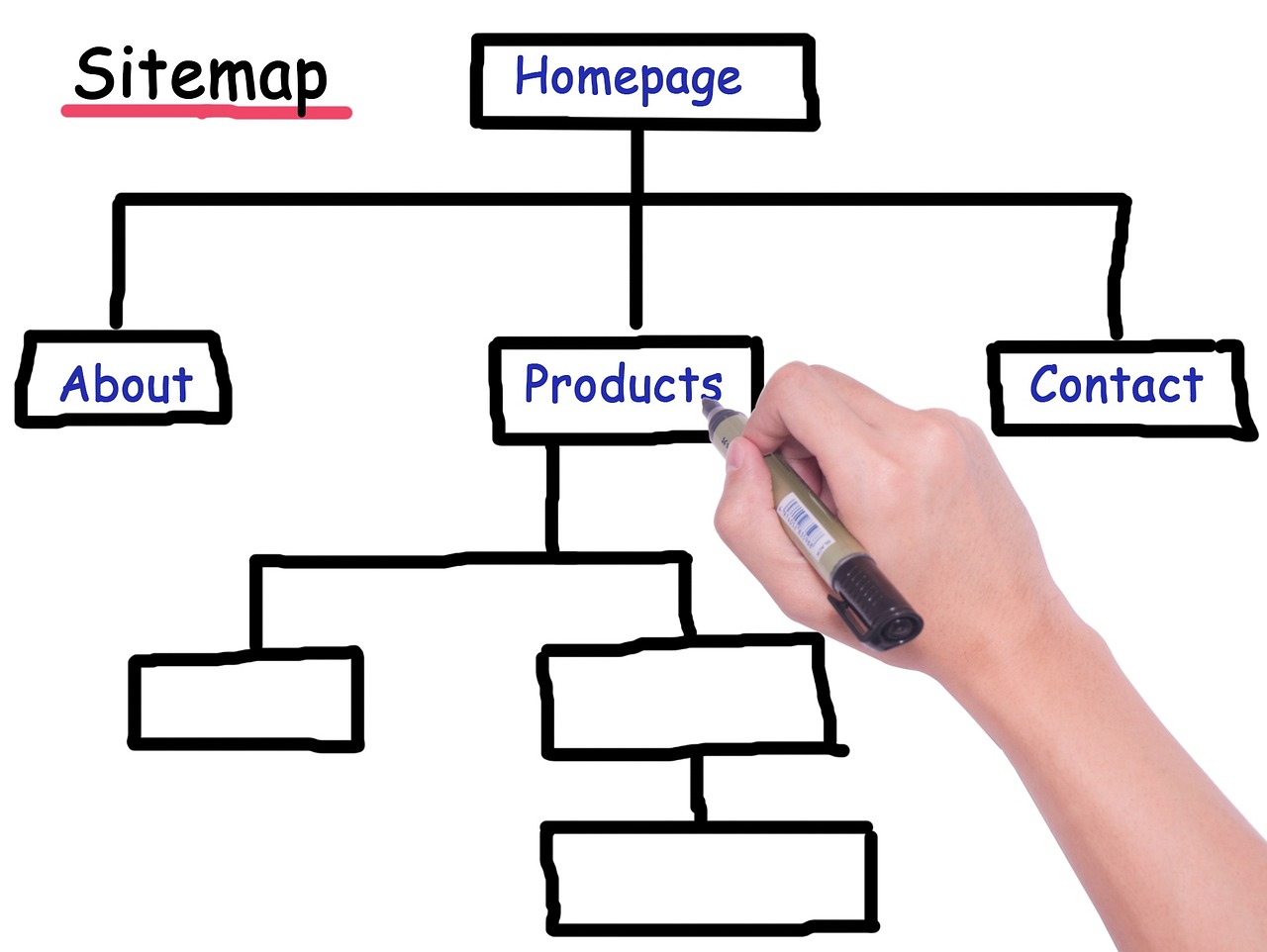
AI-Powered Web Design: The Future is Now (2026 Edition)
 web design in 2026″ title=”How AI is Revolutionizing Web Design in 2026″ class=”aligncenter wpauto-inline-image” style=”max-width: 100%;height: auto;margin: 20px auto” />
AI-Powered Web Design: The Future is Now (2026 Edition)
The landscape of web design is undergoing a seismic shift, propelled by the rapid advancements in Artificial Intelligence (AI). No longer a futuristic concept, AI-powered web design is actively reshaping how websites are conceived, created, and maintained. In 2026, the integration of AI isn’t just a trend; it’s a fundamental component of professional web development, offering unprecedented efficiency, personalization, and creative possibilities. This article delves into the key aspects of AI-powered web design, exploring its capabilities, applications, challenges, and the future trajectory of this transformative field.
I. AI’s Core Role in Web Design: Capabilities & Technologies
AI’s contribution to web design stems from a confluence of technologies, primarily centered around Machine Learning (ML) and Natural Language Processing (NLP). These technologies enable AI systems to learn from data, analyze patterns, and generate solutions – effectively automating and augmenting various aspects of the design process.
- Generative Design: This is arguably the most impactful application. AI algorithms, particularly Generative Adversarial Networks (GANs) and Variational Autoencoders (VAEs), can generate website layouts, color palettes, typography combinations, and even entire design mockups based on user inputs and predefined design principles. Designers provide parameters like brand guidelines, target audience, and desired aesthetic, and the AI generates multiple design options, accelerating the ideation phase significantly. Tools like Uizard, Fronty, and TeleportHQ are increasingly leveraging generative design to offer rapid prototyping capabilities.
- Content Optimization & Creation: AI powers sophisticated content generation tools. NLP models can analyze existing content, identify gaps, and create fresh, engaging copy tailored to specific keywords and audience segments. AI can also generate image variations, compress images for faster loading times, and create alt text for accessibility. Platforms like Jasper.ai, Copy.ai, and DALL-E 2 are frequently integrated into web design workflows to streamline content creation. AI-driven SEO optimization tools analyze website content and suggest improvements to enhance search engine rankings, considering factors like keyword density, readability, and meta descriptions.
- Personalized User Experiences: AI excels at understanding user behavior and preferences. Through analyzing data like browsing history, demographics, and interaction patterns, AI algorithms can personalize website content, recommendations, and even the overall layout. This leads to vastly improved user engagement and conversion rates. Dynamic content modules, personalized product displays, and tailored navigation paths are all facilitated by AI-powered personalization engines. Examples include tailored product recommendations powered by collaborative filtering and reinforcement learning.
- Automated Testing & Debugging: AI is invaluable for ensuring website functionality and performance. Automated testing tools leveraging AI can detect bugs, identify performance bottlenecks, and optimize code for speed and security. AI-powered monitoring systems proactively detect and alert developers to potential issues before they impact users. This leads to more reliable and robust websites.
- Accessibility Enhancement: AI can automatically analyze website code and content to identify accessibility issues, such as missing alt text, insufficient color contrast, and improper semantic HTML. It can then suggest fixes or even automatically implement them. This aligns with growing regulatory requirements and ethical considerations surrounding web accessibility.
II. Applications of AI-Powered Web Design: Industry Use Cases
The applications of AI in web design are diverse and span across various industries:
- E-commerce: AI personalizes product recommendations, optimizes shopping cart experiences, and enhances customer service through chatbots. Predictive analytics forecast demand, enabling optimized inventory management and targeted marketing campaigns.
- Healthcare: AI streamlines appointment scheduling, improves patient communication, and facilitates remote consultations. Websites can dynamically adjust content based on patient demographics and health conditions, ensuring a more relevant and personalized experience.
- Finance: AI personalizes financial advice, aids in fraud detection, and streamlines online banking processes. Chatbots provide instant customer support and answer frequently asked questions. Automated compliance checks ensure adherence to regulatory requirements.
- Education: AI adapts learning materials to individual student needs, provides personalized feedback, and automates administrative tasks. Virtual assistants guide students through course material and offer technical support.
- Travel & Hospitality: AI powers personalized travel recommendations, dynamic pricing, and automated booking processes. Chatbots assist with travel planning and provide real-time updates.
III. Tools and Platforms Shaping the Future of Web Design
A growing ecosystem of AI-powered tools and platforms is driving innovation and democratizing web design.
- Uizard: Converts hand-drawn sketches and wireframes into editable designs.
- Fronty: Converts images into clean HTML, CSS, and React code.
- TeleportHQ: Enables rapid prototyping of responsive web designs.
- Durable: Generates production-ready code from design mockups.
- Webflow‘s AI Features: Webflow is integrating AI to help users generate design variations and optimize website performance.
- Adobe Sensei: Powering features within Adobe Creative Cloud, including content-aware fill, image enhancements and automated tasks.
- Microsoft Azure AI: Providing a suite of AI services for web development, including NLP and computer vision.

IV. Challenges and Considerations
Despite its immense potential, AI-powered web design also presents challenges:
- Data Bias: AI algorithms are trained on data, and if that data reflects existing biases, the AI will perpetuate those biases in its design output. This can lead to websites that are discriminatory or exclusionary. Careful data curation and algorithmic auditing are crucial.
- Lack of Creativity (Currently): While AI can generate visually appealing designs, it often lacks the true creative spark and nuanced understanding of human aesthetics. Human designers often need to refine and curate the AI’s output to achieve a desired vision.
- Ethical Considerations: The use of AI in web design raises ethical questions about authorship, originality, and the potential displacement of human designers. Clear guidelines and ethical frameworks are needed to ensure responsible AI adoption.
- Dependence on Algorithms: Over-reliance on AI can stifle creativity and lead to homogenized designs. Designers must maintain a critical eye and avoid blindly accepting AI-generated output. The “human touch” remains essential.
- Security Risks: AI-powered tools can be vulnerable to security threats, potentially leading to compromised websites and sensitive data breaches.
V. The Future of AI-Powered Web Design (2026-2030)
The future of AI-powered web design is incredibly promising. Several key trends are expected to shape the field in the coming years.
- Hyper-Personalization: AI will enable even more granular and adaptive personalization, delivering truly tailored website experiences to individual users. Expect AI to anticipate user needs and proactively offer relevant content and features.
- no-code/Low-code platforms: AI will increasingly power no-code and low-code platforms, making web design accessible to a wider audience, even those without formal coding skills.
- AI-Driven Design Systems: AI will automate the creation and maintenance of design systems, ensuring consistency and scalability across websites and applications.
- Enhanced Immersive Experiences: AI will play a critical role in creating more immersive and interactive web experiences, incorporating elements of augmented reality (AR) and virtual reality (VR).
- AI-Powered Accessibility by Default: Accessibility will be seamlessly integrated into the design process, with AI automatically ensuring that websites meet accessibility standards from the outset.
- The Evolution of the Web Designer Role: The role of the web designer will evolve from primarily focusing on coding to encompassing more strategic and creative aspects. Designers will become curators, editors, and orchestrators of AI-generated design elements. They will focus on ensuring brand consistency, user experience, and ethical considerations.
VI. Key Skills for Web Designers in the AI Era
To thrive in the AI-powered web design landscape, designers will need to cultivate a new set of skills:
- Prompt Engineering: The ability to craft effective prompts for AI design tools is becoming a critical skill.
- AI Tool Proficiency: Familiarity with various AI-powered web design tools and platforms is essential.
- Data Analysis: Understanding how to interpret data and use it to inform design decisions.
- UX/UI Design Principles: A strong foundation in UX/UI design principles remains crucial, as AI can augment but not replace human expertise in this area.
- Ethical Considerations: A deep understanding of the ethical implications of AI in web design.
- Creative Problem-Solving: The ability to think creatively and solve complex design challenges.
AI-powered web design is not a replacement for human creativity; it’s a powerful tool that augments and enhances the design process. By embracing these technologies and developing the necessary skills, web designers can unlock new levels of efficiency, personalization, and innovation, shaping a future where the web is more engaging, accessible, and tailored to the needs of every user. The shift is undeniable, and the possibilities are boundless.

Top 5 AI Generators for Website Layouts in 2024
The landscape of web design is undergoing a dramatic transformation, fueled by the rapid advancements in Artificial Intelligence (AI). Traditionally a domain requiring specialized skills and significant time investment, website layout creation is now increasingly accessible thanks to sophisticated AI generators. These tools democratize design, allowing businesses, entrepreneurs, and even hobbyists to craft visually appealing and functional websites without extensive coding knowledge or relying solely on professional designers. In 2024, the available AI layout generators have reached a new level of sophistication, offering highly customizable options and impressive output quality. Here’s a detailed look at the top 5 AI generators poised to revolutionize website design.
1. Uizard: Rapid Prototyping & Design from Sketches
Uizard stands out for its unique ability to translate hand-drawn sketches or simple mockups into functional website layouts and prototypes. This functionality makes it exceptionally valuable for brainstorming and rapidly visualizing design ideas. Beyond sketching, Uizard utilizes AI to automatically generate UI components, suggesting appropriate layouts for elements like navigation bars, content sections, and calls-to-action.
Key Features:
- Sketch-to-Design: Users can upload images of sketches or take photos of paper designs, and Uizard will convert them into editable UI designs. This drastically speeds up the initial design phase.
- Automatic UI Component Generation: Uizard intelligently identifies elements within a design and suggests relevant UI components, vastly simplifying the process of building out the layout. It offers a library of pre-designed components, including buttons, forms, and navigation menus.
- Design Export & Code Generation: Once a design is created, Uizard enables users to export it in various formats like Figma, Adobe XD, Sketch, and even generate clean, developer-ready code in HTML, CSS, and React. This bridges the gap between design and development.
- AI-Powered Suggestions & Refinements: Uizard offers AI-powered suggestions for layout improvements, color palettes, and typography, helping users refine their designs for optimal visual appeal and user experience.
- Collaboration Features: Uizard supports team collaboration, allowing multiple users to work on the same design simultaneously.
SEO Keywords: AI prototyping, sketch to design, UI design, website mockup, rapid prototyping, design tool, AI design platform.
Pricing: Uizard offers a free plan with limited features, as well as paid plans starting from around $12-$15/month, depending on usage and features. A generous free trial is available.
2. TeleportHQ: AI-Powered Website Builder with Drag-and-Drop Flexibility
TeleportHQ differentiates itself with a powerful combination of AI-driven suggestions and granular control through a visual drag-and-drop interface. While incorporating AI for layout generation, it doesn’t restrict users to AI-generated outputs. Instead, it serves as an intelligent assistant, providing design inspiration and accelerating the layout process.
Key Features:
- AI-Generated Layouts: Users can input a few keywords describing their website’s purpose, target audience, and desired style, and TeleportHQ will generate several layout options tailored to those parameters.
- Drag-and-Drop Editor: The intuitive drag-and-drop interface allows for extensive customization of layouts, elements, and content. This ensures designers have ultimate control over the final result.
- Pre-built Templates: TeleportHQ offers a robust library of pre-designed website templates across various industries and niches. These templates can be easily customized to fit specific needs.
- Responsive Design: All layouts and templates are fully responsive, ensuring optimal viewing experiences across all devices (desktops, tablets, and smartphones).
- SEO Optimization Tools: TeleportHQ offers built-in SEO tools, including meta description optimization, alt text generation for images, and schema markup, helping users improve their website’s search engine ranking.
- Content Management System (CMS): Integrated CMS allows for easy management of website content without needing to code or use third-party platforms.
SEO Keywords: AI website builder, drag and drop website, website template, responsive design, SEO optimization, website design, AI assisted design.
Pricing: TeleportHQ has various plans, including free, Starter ($19/month), Pro ( $49/month), and Growth ( $99/month). Plans scale depending on the number of sites and features required.
3. Fronty: Website Conversion with AI Enhancement
Fronty takes a different approach, specializing in converting existing website designs (like those from platforms like WordPress, Wix, and Squarespace) into pixel-perfect HTML and CSS. While not a direct layout generator from scratch, Fronty leverages AI to enhance conversions and optimize the design for mobile responsiveness.
Key Features:
- Design Conversion: Fronty’s core function is to translate existing designs into clean, SEO-friendly code. This saves developers significant time and effort compared to manual conversion.
- AI-Powered Optimization: Fronty uses AI to analyze the design and automatically optimize it for different screen sizes and devices. This includes responsive design, image optimization, and CSS minification.
- Pixel-Perfect Accuracy: Fronty delivers pixel-perfect conversions, ensuring that the resulting website design accurately matches the original design.
- Customizable Code: Developers have full control over the generated code, allowing them to customize it to meet specific requirements.
- Integration with Design Tools: Fronty integrates with popular design tools such as Figma, Adobe XD, and Sketch, streamlining the conversion process.
SEO Keywords: Website conversion, design to code, responsive website, pixel-perfect design, HTML conversion, CSS optimization, Fronty.
Pricing: Fronty operates on a pay-as-you-go model. Pricing is based on the number of designs converted and the features used. A free trial is available.
4. Designs.ai: AI-powered Design Suite for Multiple Assets
Designs.ai is not solely an AI website layout generator; it’s a comprehensive AI-powered design suite that offers a wide range of tools for creating various visual assets, including website layouts, logos, videos, and marketing materials. Its website layout generator utilizes AI to create visually appealing and professional designs.
Key Features:
- AI Website Generator: Users input details about their business, industry, and desired style, and the AI generates various website layout options.
- Logo Maker: AI-powered logo creation tool that generates logos based on user input and style preferences.
- Video Maker: Create professional-looking videos with AI-generated scripts, visuals, and voiceovers.
- Social Media Templates: Designs.ai offers a vast library of customizable social media templates to help users create engaging content.
- Brand Kit: Allows users to create and manage their brand identity, including logos, color palettes, and typography.
- Easy Customization: Provides ample customization options to fine-tune the generated designs.
SEO Keywords: AI design suite, logo maker, video maker, social media templates, website layout, AI visual design, Designs.ai.
Pricing: Designs.ai utilizes a subscription-based model starting around $15/month for basic features, scaling to $99/month for unlimited projects and advanced features. A free trial is also available.
5. Jimdo Dolphin: AI Website Builder with Intelligent Design Assistance
Jimdo Dolphin is a fully-fledged AI website builder that focuses on simplifying the entire website creation process. Its AI assistant guides users through the design process, making it accessible to everyone, regardless of technical expertise.
Key Features:
- AI-Powered Website Creation: Jimdo Dolphin asks a series of questions about your business and goals and then generates a fully functional website design tailored to your needs.
- Intelligent Design Assistance: The AI assistant provides suggestions for content, images, and layout improvements.
- Drag-and-Drop Editor: Offers a flexible drag-and-drop interface for further customization.
- E-commerce Functionality: Integrated e-commerce tools enable users to easily sell products online.
- SEO Tools: Built-in SEO tools to help improve website visibility in search engines.
- Mobile-Friendly Design: All websites are automatically optimized for mobile devices.
SEO Keywords: AI website builder, Jimdo Dolphin, website creation, easy website builder, e-commerce website, AI design assistance, drag and drop.
The field of AI-powered website layout generation is rapidly evolving. These five tools represent some of the most promising options available in 2024, each catering to different needs and skill levels. From rapid prototyping to full-fledged website building, these AI generators are empowering users to create professional and engaging websites with unprecedented ease. As AI technology continues to advance, we can expect even more sophisticated and powerful tools to emerge in the years to come, further revolutionizing the world of web design.