Generating CSS with AI: A Developers Guide
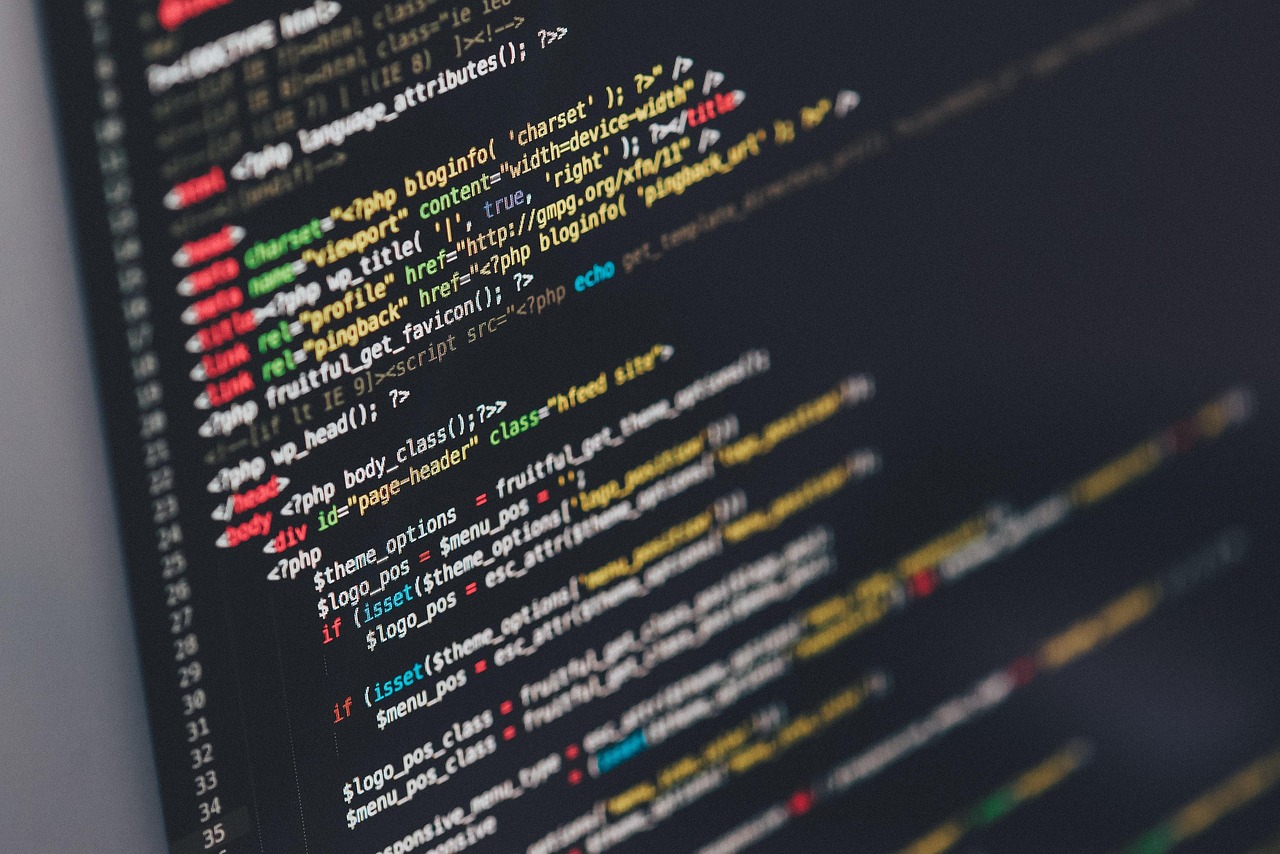
Generating CSS with AI: A Developer’s Guide
Artificial intelligence (AI) is rapidly transforming software development, and CSS (Cascading Style Sheets) generation is no exception. Traditionally a manual and often tedious process, crafting effective and consistent CSS can now be significantly accelerated and enhanced using AI-powered tools. This article delves into the world of AI-assisted CSS generation, exploring its benefits, techniques, popular tools, workflow integration, challenges, and future trends, providing a comprehensive guide for developers looking to leverage this emerging technology.
The Evolution of CSS Generation: From Manual to AI-Powered
For years, CSS development involved painstaking manual coding, relying on developer expertise and adherence to design specifications. While powerful frameworks like Bootstrap and Tailwind CSS streamlined the process by providing pre-built components and utility classes, they still required significant customization and tweaking. The rise of AI offers a paradigm shift, moving beyond pre-defined frameworks towards dynamic, context-aware CSS generation. This evolution is driven by advancements in Natural Language Processing (NLP), Machine Learning (ML), and specifically, generative AI models.
How Does AI Generate CSS? The Underlying Techniques
Several AI techniques power CSS generation:
- Natural Language Understanding (NLU): NLU enables AI models to understand human language descriptions of desired styles. Developers can input text descriptions like “create a button with a blue background and white text” or “make this section responsive on mobile devices,” and the AI translates these descriptions into CSS code. Sophisticated NLU models can interpret complex design specifications and incorporate nuanced styling requirements.
- Generative Adversarial Networks (GANs): GANs consist of two neural networks: a generator and a discriminator. The generator creates CSS code, while the discriminator evaluates its quality based on a dataset of existing, well-written CSS. Through this adversarial process, the generator learns to produce increasingly sophisticated and aesthetically pleasing CSS. GANs are particularly effective in generating complex and visually harmonious styles.
- Transformer Models: Transformer models, like those used in large language models (LLMs), have revolutionized NLP and are increasingly applied to CSS generation. They excel at understanding context and generating coherent and structurally sound code. By training on vast datasets of CSS code, transformers can predict the most likely and appropriate CSS rules based on input descriptions and existing styling. Libraries like TensorFlow and PyTorch are often utilized for implementing transformer-based CSS generation systems.
- Rule-Based Systems & Template Engines: Combining AI with predefined CSS rules and templates offers a hybrid approach. AI identifies the relevant rules based on the input and then fills in the template placeholders with appropriate values. This approach provides better control and predictability over the generated code, ensuring consistency with existing design systems.
Benefits of AI-Powered CSS Generation
The adoption of AI for CSS generation offers numerous advantages:
- Increased Speed and Efficiency: AI significantly accelerates the CSS development process, freeing developers from repetitive coding tasks. Generating styles from natural language descriptions is considerably faster than manual coding.
- Improved Consistency: AI ensures consistent styling across an entire project, adhering to predefined design principles and avoiding inconsistencies that can arise from manual coding. This is particularly valuable for large and complex projects.
- Reduced Errors: AI minimizes the risk of typos, syntax errors, and other common coding mistakes. The generated CSS is often validated and optimized, resulting in more reliable code.
- Enhanced Accessibility: AI can be trained to automatically generate accessible CSS, incorporating best practices for screen reader compatibility, keyboard navigation, and color contrast.
- Scalability: AI-powered solutions enable easier scaling of CSS development, particularly in large teams or when dealing with rapidly evolving design requirements.
- Design Exploration & Prototyping: AI allows for rapid prototyping of different design variations. Developers can quickly generate CSS for various style options and compare them to identify the best solutions.
- Accessibility for Non-Developers: AI tools are increasingly democratizing web development by enabling individuals with limited coding experience to create visually appealing websites.
Popular AI-Powered CSS Generation Tools
Several tools are currently available for AI-assisted CSS generation, each with its own strengths and weaknesses:
- Uber CSS: This popular tool analyzes your HTML structure and generates CSS code based on the element types and their default styling. It’s notable for its speed and ease of use, offering suggestions for common styling needs.
- TeleportHQ: A powerful low-code platform that utilizes AI to generate production-ready CSS and HTML directly from design tools like Figma and Adobe XD. It offers collaborative features and robust customization options.
- Mutable.ai: Focuses on iteratively improving existing CSS code. It allows developers to easily modify styles using natural language, making adjustments to existing CSS far more user-friendly.
- Phantombuster: While primarily a web automation tool, Phantombuster can be leveraged to automate CSS generation by interacting with design tools and extracting style information.
- GitHub Copilot (with CSS extensions): The popular AI pair programmer gained CSS writing capabilities, offering real-time code suggestions and completions directly within the IDE, a significant boost to development workflow.
- AskStylist: This tool excels at generating CSS from image screenshots, effectively translating visual designs into functional code.
Integrating AI into Your Development Workflow
Successfully integrating AI-powered CSS generation requires careful planning and consideration of your existing workflow:
- Choose the Right Tool: Evaluate different tools based on your project requirements, technical expertise, and budget. Consider factors like integration with existing design tools, supported frameworks, and the level of customization offered.
- Define Clear Style Guidelines: Establish clear style guides and design principles to ensure the AI-generated CSS aligns with your brand’s identity and maintain consistency.
- Leverage Design Tools with AI Integration: Utilize design tools like Figma and Adobe XD that offer built-in AI-powered CSS generation capabilities. This streamlines the process and minimizes the need for manual adjustments.
- Iterative Approach: Don’t expect perfect CSS generation on the first try. Embrace an iterative approach, finely tuning the generated code to meet your specific requirements.
- Code Review: Always conduct thorough code reviews to identify and address any potential issues, ensure accessibility compliance, and guarantee adherence to best practices.
- Establish a Customization Strategy: Determine how you will handle complex or highly specific styling requirements that the AI cannot automatically generate.
Challenges and Limitations
Despite its potential, AI-powered CSS generation faces several challenges:
- Complexity of Design Requirements: AI struggles with translating extremely complex or abstract design concepts into accurate CSS code.
- Contextual Understanding: AI may lack the necessary contextual understanding to generate CSS that perfectly fits a specific project’s needs.
- Maintaining Consistency Across Large Projects: Ensuring consistent styling across very large and complex projects can still require significant manual effort, even with AI assistance.
- Vendor Lock-in: Relying heavily on a specific AI tool can create dependency issues.
- Bias in Training Data: AI models trained on biased datasets may generate CSS that perpetuates existing biases in design.
- Accessibility Concerns: While AI is improving, ensuring perfectly accessible CSS remains a challenge and requires careful monitoring.
Future Trends
The future of AI-powered CSS generation is bright, with several promising trends emerging:
- Improved NLU and Contextual Understanding: AI models will become more adept at understanding natural language descriptions and context, generating increasingly accurate and relevant CSS.
- Personalized Style Generation: AI will leverage user preferences and historical data to generate personalized CSS styles.
- Real-time Collaboration: AI tools will enable real-time collaboration between designers and developers, facilitating seamless integration of design changes into code.
- Automated CSS Optimization: AI will automatically optimize generated CSS code for performance, ensuring fast loading times and a smooth user experience.
- Generative AI for UI Design: Integration with generative UI design tools will allow AI to translate UI mockups directly into functional CSS.
- AI-Powered CSS Debugging: AI tools will assist in identifying and resolving CSS errors, further streamlining the development process.
AI-powered CSS generation represents a significant leap forward in web development, offering developers the opportunity to create more efficient, consistent, and accessible websites. While challenges remain, the rapid pace of innovation suggests that AI will play an increasingly important role in the future of CSS development, empowering developers to focus on higher-level design considerations and deliver exceptional user experiences.