From Web Design to Passive Income: A Step-by-Step Guide
From Web Design to Passive Income: A Step-by-Step Guide
The digital landscape has revolutionized income generation, offering exciting opportunities to build sustainable passive income streams. Web design, a consistently in-demand skill, forms a powerful foundation for achieving this financial freedom. This guide breaks down the process of transforming web design skills into a passive income venture, detailing the essential steps, strategies, and tools involved. We’ll cover everything from skill development to client acquisition and automated income strategies.
Phase 1: Building a Solid Web Design Foundation
Before venturing into passive income, a strong technical skillset is paramount. This isn’t just about knowing how to use a drag-and-drop builder; it requires a deeper understanding of web development principles.
- Master the Fundamentals: Start with HTML, CSS, and JavaScript. These are the core building blocks of any website. Free resources like Codecademy, freeCodeCamp, and Khan Academy offer interactive tutorials and comprehensive courses. Understanding semantic HTML (using appropriate tags for content meaning) is crucial for SEO. CSS proficiency allows for visually appealing and responsive designs. JavaScript enables interactivity and dynamic functionalities.
- Learn Responsive Design: With a multitude of devices now accessing the internet, responsive design is no longer optional – it’s essential. Learn to use media queries and flexible layouts to ensure websites adapt seamlessly to different screen sizes (desktops, tablets, smartphones). Bootstrap and Tailwind CSS are popular frameworks that accelerate responsive design development.
- Explore UI/UX Principles: User Interface (UI) and User Experience (UX) are critical for website success. A well-designed website isn’t just visually appealing; it’s intuitive, easy to navigate, and provides a positive user experience. Study principles of information architecture, wireframing, prototyping, and usability testing. Resources like Nielsen Norman Group and Interaction Design Foundation offer valuable insights.
- Choose a Design Software: Familiarize yourself with industry-standard design tools. Adobe Photoshop and Illustrator are robust options for graphic design and asset creation. Figma and Sketch are popular UI/UX design tools favored for their collaborative features and ease of prototyping. Consider acquiring proficiency in at least one of these.
- Stay Updated on Design Trends: The web design landscape is constantly evolving. Follow industry blogs (Smashing Magazine, A List Apart), design influencers, and participate in online communities (Dribbble, Behance) to stay abreast of the latest trends in typography, color palettes, and layout.
Phase 2: Defining Your Passive Income Strategy
Once you possess the necessary skills, it’s time to choose a passive income model. Here are several viable options for web designers:
- Website Templates: Create and sell website templates on platforms like ThemeForest, Creative Market, and TemplateMonster. These templates can be designed for specific niches (e.g., restaurants, photographers, portfolios) or general use. Focus on creating high-quality, well-documented templates with clear instructions for customization.
- WordPress Themes: Develop and sell WordPress themes. WordPress powers a significant portion of the internet, making this a lucrative market. Consider creating themes tailored to specific industries, e-commerce functionality, or unique design aesthetics. Using the WordPress Theme Customizer allows users to personalize themes without coding knowledge.
- Website Design Packs: Curate and sell packs of design elements – icons, illustrations, font pairings, color palettes, and UI kits – on platforms like Creative Market or Etsy. These packs provide designers with ready-to-use resources, saving them time and effort.
- SEO-Optimized Landing Pages: Specialize in creating high-converting landing pages for businesses. These pages are designed specifically to capture leads or drive conversions. Offer a service where you design a series of landing pages that businesses can easily update.
- SaaS (Software as a Service) for Web Designers: Develop and sell a niche SaaS tool specifically for web designers. Examples include tools for generating website content, performing website audits, or automating repetitive tasks. This is a more complex option but offers the highest potential for passive income.
Phase 3: Building a Portfolio and Online Presence
A compelling portfolio is crucial for attracting clients and showcasing your skills.
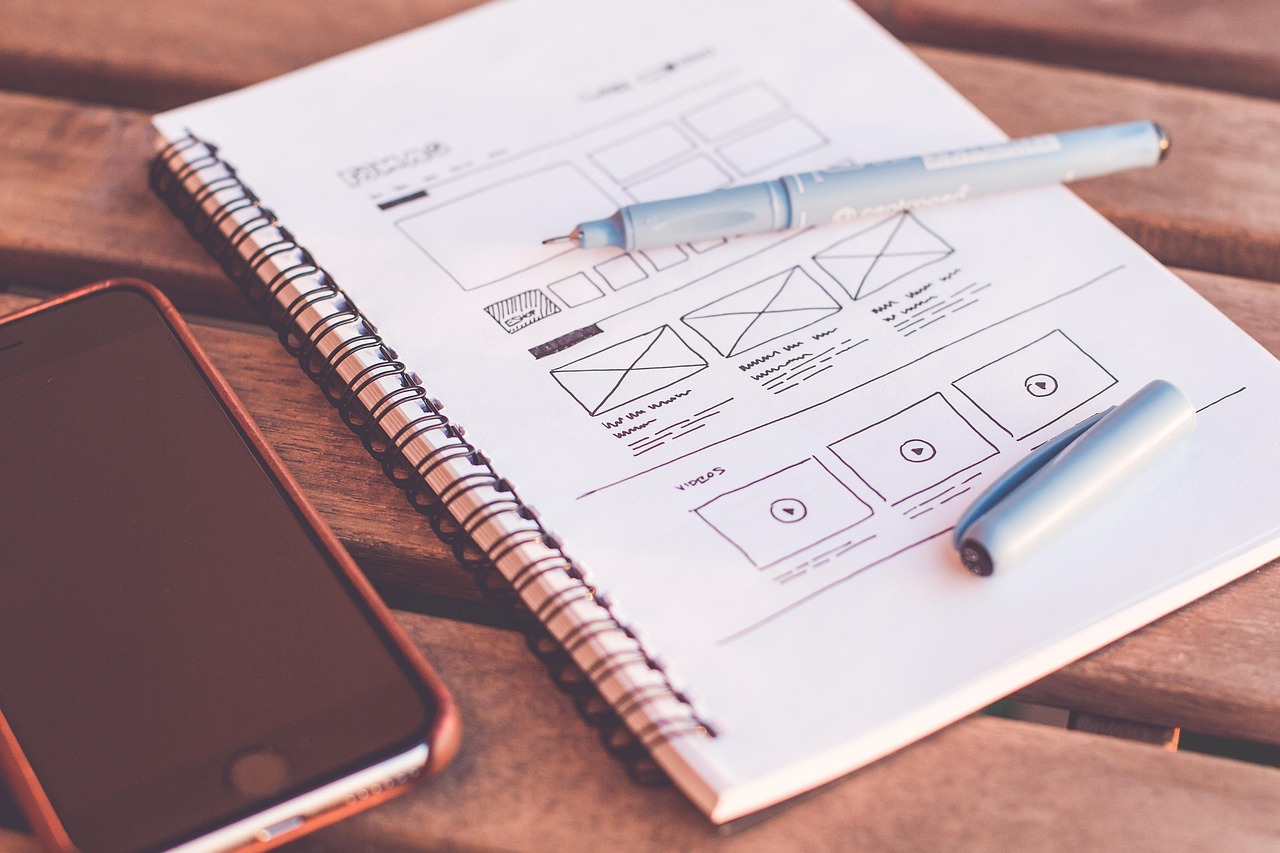
- Create a Professional Website: Your own website is your most important marketing asset. It should showcase your best work, clearly communicate your services, and provide easy contact information. Ensure the website is responsive, well-designed, and optimized for SEO.
- Showcase Your Best Work: Select your most impressive projects for your portfolio. Include detailed descriptions of the projects, highlighting your role, the challenges you faced, and the results you achieved. Use high-quality screenshots or live demos.
- Online Portfolio Platforms: Supplement your website with online portfolio platforms like Behance or Dribbble. These platforms allow you to reach a wider audience of potential clients and collaborators.
- Social Media Marketing: Actively engage on social media platforms like LinkedIn, Instagram, and Twitter. Share your work, participate in industry discussions, and connect with potential clients and other designers.
- Build Your Brand: Develop a consistent brand identity – including logo, color palette, and tone of voice – across all your online platforms. This helps to create a memorable and professional image.
Phase 4: Marketing and Client Acquisition
Attracting clients requires a strategic marketing approach.
- SEO (Search Engine Optimization): Optimize your website and portfolio for relevant keywords. Target keywords like “web designer,” “responsive website design,” “WordPress theme development,” or “landing page design.” Utilize keyword research tools like SEMrush or Ahrefs to identify high-volume, low-competition keywords. Focus on on-page and off-page optimization techniques.
- Content Marketing: Create valuable content that showcases your expertise and attracts potential clients. This could include blog posts, articles, tutorials, case studies, or video content. Topics could include website design tips, SEO best practices, or industry trends.
- Paid Advertising: Consider using paid advertising platforms like Google Ads and Facebook Ads to reach a wider audience. Target your ads to specific demographics and interests. Track your results carefully and optimize your campaigns for maximum ROI.
- Networking: Attend industry events, join online communities, and connect with other professionals in your field. Networking can lead to valuable referrals and partnerships.
- Freelance Platforms: While moving toward passive income, using freelance platforms like Upwork and Fiverr can provide initial clients and build portfolio credibility. Price your services competitively to attract initial clients.
Phase 5: Automating Income and Scaling
Once you’ve established a consistent income stream, focus on automating processes and scaling your business.
- Automated Email Marketing: Set up automated email sequences for lead nurturing and client onboarding. Use email marketing platforms like ConvertKit or Mailchimp to send targeted emails based on user behavior.
- Pre-built Packages: Offer pre-defined packages of services to streamline the sales process and reduce the amount of time spent on quote preparation.
- Outsourcing: As your business grows, consider outsourcing tasks like website maintenance, customer support, or marketing to free up your time for higher-level activities.
- Affiliate Marketing: Promote related products or services (e.g., hosting providers, design tools) and earn a commission on sales.
- Create Online Courses: Package your knowledge into online courses about web design. Platforms like Teachable and Udemy make this relatively easy to implement, creating a stream of passive income.
Tools & Resources:
- Code Editors: Visual Studio Code, Sublime Text, Atom
- Design Tools: Figma, Sketch, Adobe Creative Suite
- Prototyping Tools: InVision, Marvel
- Website Builders: WordPress, Webflow, Squarespace
- SEO Tools: SEMrush, Ahrefs, Google Search Console
- Email Marketing: Mailchimp, ConvertKit, ActiveCampaign
- Project Management: Asana, Trello, Monday.com
Successfully transitioning from web design services to passive income requires dedication, consistent effort, and a willingness to continually learn and adapt. By following this step-by-step guide, you can build a sustainable and rewarding online business that provides financial freedom and creative fulfillment. Remember to focus on providing high-quality products and services, building a strong brand, and consistently marketing your offerings.